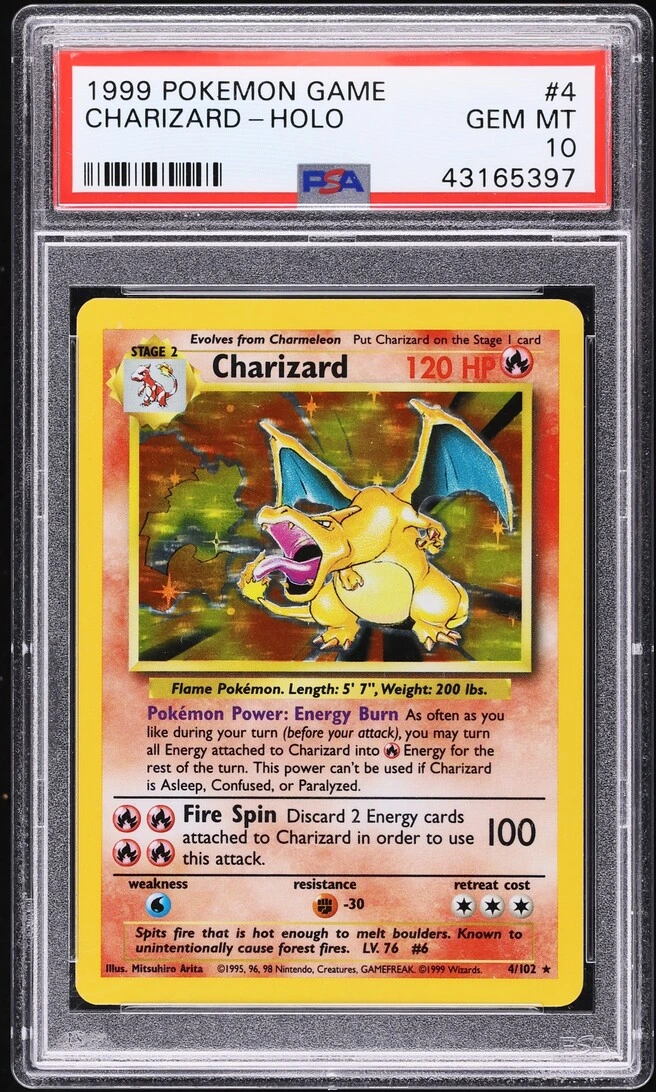
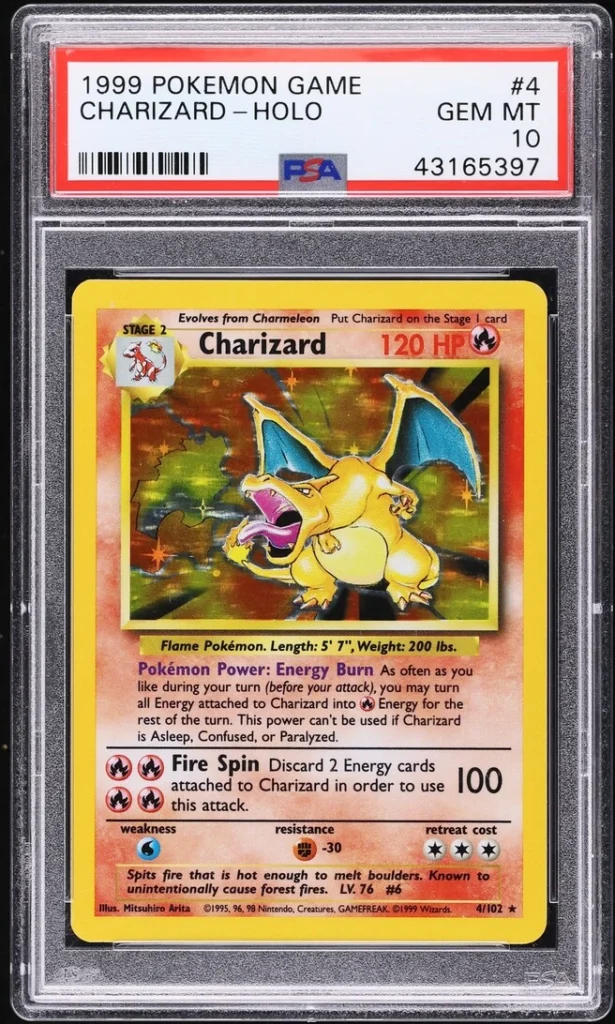
If you’ve come across an old box of trading cards featuring comic characters, movie scenes, television stars, or historical figures, you may be wondering about vintage non-sports card prices and what your collection could be worth. Unlike traditional sports cards, non-sports trading card values are driven by entirely different factors—pop culture appeal, rarity, set popularity, and condition all play a major role in determining value. Some cards may only be worth a few dollars, while rare or highly desirable sets can reach hundreds or even thousands of dollars per card. This guide will help you understand how to evaluate your non-sports cards, what makes them valuable, and how to determine what your collection is worth in today’s market.
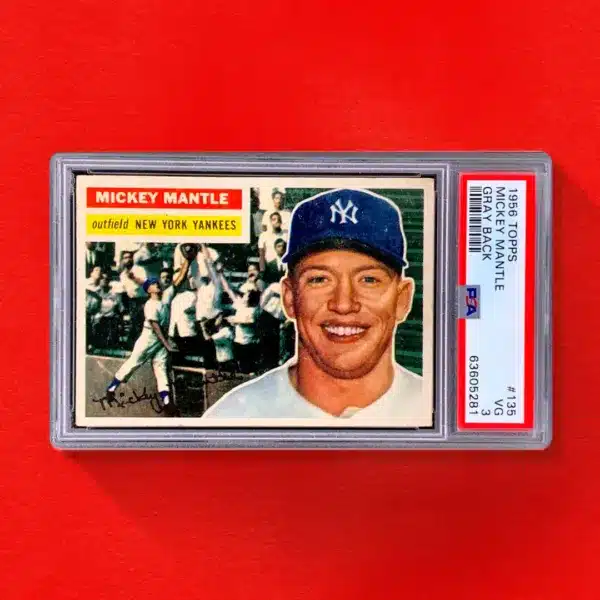
What Are Vintage Non-Sports Cards?
Vintage non-sports cards refer to trading cards that do not feature athletes or sports themes. Instead, they highlight subjects such as:
- Movie and TV characters
- Comic book heroes and villains
- Historical figures and presidents
- Sci-fi and fantasy franchises
- Animation and pop culture icons
- War and propaganda sets
- Tobacco and caramel promotional cards
Most collectors define vintage non-sports cards as those produced before the 1990s, when mass production and modern licensing dramatically changed the hobby. Some of the most well-known vintage non-sports sets include:
- 1932 U.S. Caramel Presidents
- 1933 Goudey Hollywood series
- 1940s–1950s movie star cards
- 1960s Mars Attacks (Topps)
- 1960s–1970s Batman and Superman cards
- 1970s Star Wars early issues
- 1970s Monster and horror sets
- 1980s Garbage Pail Kids (Topps)
These sets remain highly collectible due to their cultural significance and nostalgic value.
What Determines Vintage Non-Sports Card Prices?
Understanding vintage non-sports card prices requires knowing the key factors that influence value in this unique market.
1. Popularity of the Franchise or Subject
The biggest driver of value is the popularity of the subject matter. Cards featuring iconic franchises or characters tend to perform best, such as:
- Star Wars
- Marvel and DC Comics
- Disney characters
- Classic horror films
- Cult TV series
- Early animation characters
- Political and historical figures
The more recognizable and culturally significant the subject, the higher the demand among collectors.
2. Rarity and Print Scarcity
Rarity is one of the strongest pricing factors in the non-sports card market. Cards become rare due to:
- Limited production runs
- Regional or test market releases
- Short print series within larger sets
- Cards lost or discarded over decades
- Limited surviving high-grade examples
Even common sets can contain rare chase cards or inserts that dramatically increase value. Scarcity often matters more than age alone.
3. Condition and Card Grade
Condition is critical when determining non-sports trading card values. Cards are evaluated based on:
- Centering
- Corners
- Surface wear
- Edge quality
- Print clarity
- Staining or discoloration
Professional grading companies like PSA, SGC, and Beckett assign numerical grades that heavily influence price. Even a one-grade difference can mean a significant value gap, especially for high-demand sets. For example:
- Mint condition cards may sell for 10x–50x more than heavily worn versions
- Near-mint copies often represent the “sweet spot” for collectors
- Poor condition cards may still hold value if they are rare enough
4. Set Popularity and Collector Demand
Not all sets are created equal. Some sets remain consistently popular due to their cultural impact and nostalgia. Highly sought-after vintage non-sports sets include:
- 1966 Topps Batman
- 1967 Topps Green Hornet
- 1967 Topps Man From U.N.C.L.E.
- 1966 Donruss Elvis Presley
- 1977 Star Wars Series 1
- 1978 Star Wars Series 2
- 1985 Garbage Pail Kids Series 1
- Early Marvel and DC comic card sets
Sets tied to major pop culture franchises often maintain strong long-term demand.
5. Character or Subject Importance
Within a set, certain characters or subjects are significantly more valuable than others. For example:
- Main heroes (Batman, Superman, Darth Vader) often command premiums
- First appearances or early character cards are highly desirable
- Villains and fan-favorite characters can be unexpectedly valuable
Collectors often seek “key cards” within sets, similar to rookie cards in sports collecting.
How Much Are My Non-Sports Cards Worth?
A common question collectors ask is: “How much are my non-sports cards worth?” To determine accurate value, follow these steps:
Step 1: Identify Your Cards
Start by identifying:
- Set name
- Year of release
- Manufacturer (Topps, Donruss, etc.)
- Character or subject
- Card number
Many vintage non-sports cards include small set identifiers on the back.
Step 2: Research Recent Sales
The most accurate pricing comes from recent completed sales, not asking prices. Check:
- eBay sold listings
- Auction results
- Specialty collectibles marketplaces
Prices can vary widely depending on timing and demand spikes.
Step 3: Compare Condition Carefully
Match your card to others in similar condition or grade. Even minor differences in centering or surface wear can significantly impact value.
Step 4: Understand Market Trends
Non-sports card values fluctuate based on:
- Movie releases or franchise revivals
- Collector nostalgia cycles
- Anniversaries of popular franchises
- Media attention or cultural resurgence
For example, Star Wars and Marvel cards often see increased demand when new films or series are released.
Most Valuable Vintage Non-Sports Cards
While most collections contain common cards, some vintage non-sports cards are considered highly valuable and collectible. Notable examples include:
- 1932 U.S. Caramel Presidents cards
- 1966 Topps Batman cards
- 1967 Donruss James Bond cards
- 1960s Mars Attacks (Topps)
- 1977–1978 Star Wars Series cards
- Early Disney collectible card sets
- 1985 Garbage Pail Kids Series 1 cards
- Vintage horror and monster movie sets
High-grade examples of key cards from these sets can command strong prices in the collector market.
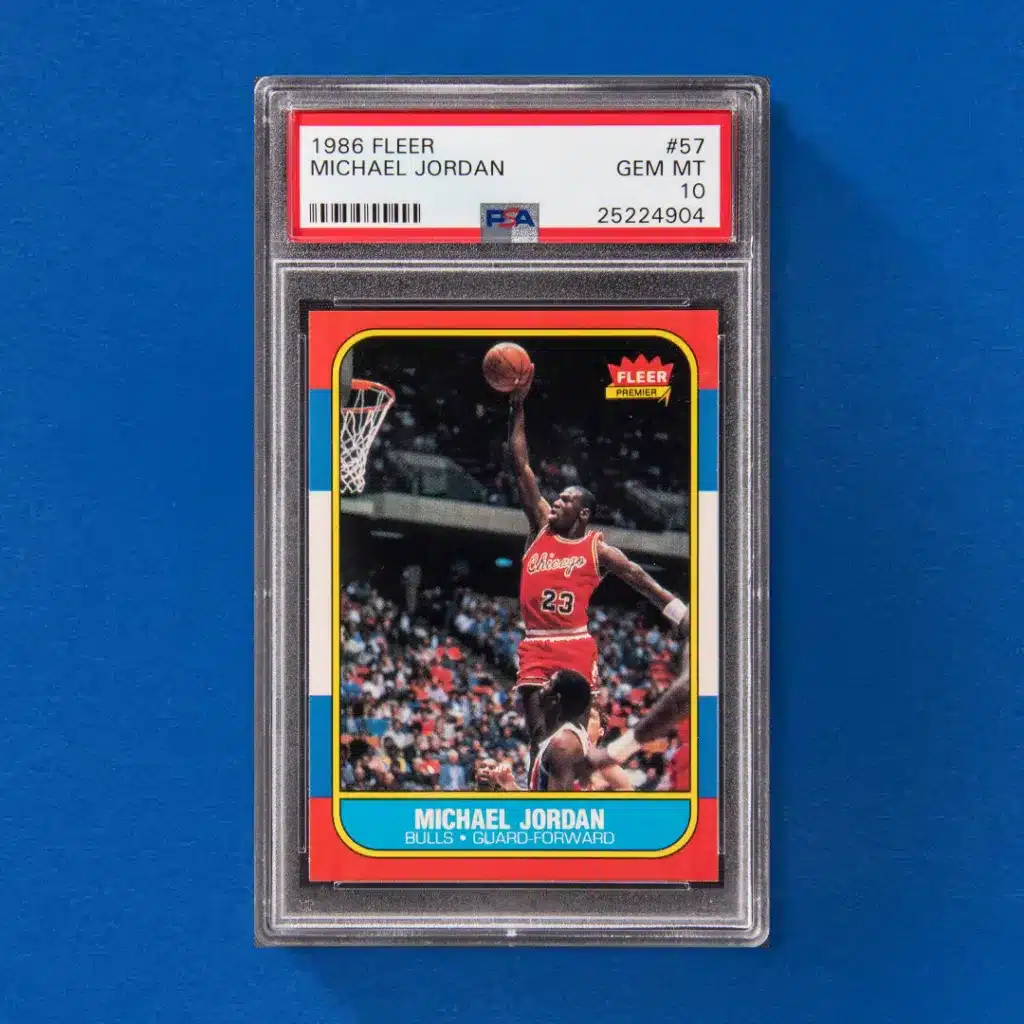
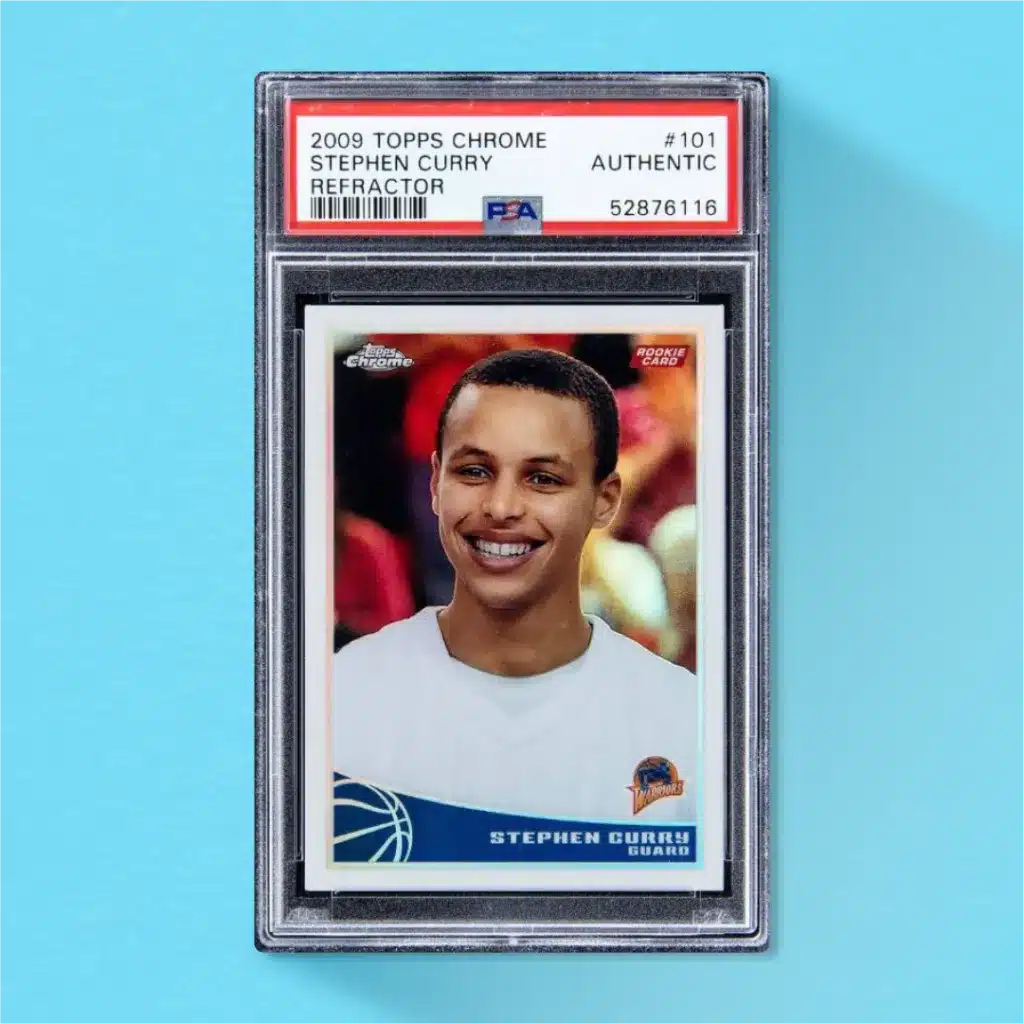
Should You Get Non-Sports Cards Graded?
Grading can increase value in many cases, but it is not always necessary.
When grading makes sense:
- High-value key cards
- Rare inserts or chase cards
- Iconic characters in top condition
- Limited print vintage sets
When grading may not be worth it:
- Common base cards
- Heavily worn cards
- Low-value bulk collections
Because grading costs money and time, it should be reserved for cards that will likely see a meaningful return in value.
Tips for Selling Vintage Non-Sports Cards
If you’re planning to sell your collection, preparation is essential.
Organize Your Cards
Sort by:
- Set
- Year
- Franchise
- Character
This makes evaluation easier for buyers and appraisers.
Take Clear Photos
High-quality front and back images help establish trust and accurate pricing.
Use Multiple Pricing Sources
To understand vintage non-sports card prices, compare:
- eBay sold listings
- Auction houses
- Collector forums and marketplaces
Work With Reputable Buyers
Experienced dealers or auction platforms can often secure stronger pricing than quick private sales.
Common Mistakes When Evaluating Non-Sports Card Values
Collectors often misjudge their cards due to common mistakes:
- Assuming all old cards are valuable
- Confusing listing prices with actual sold prices
- Ignoring condition differences
- Overlooking key cards within sets
- Not recognizing rare variations or inserts
Proper research is essential for accurate valuation.
Final Thoughts on Vintage Non-Sports Card Prices
Understanding vintage non-sports card prices is the key to unlocking the value of your collection. While many cards may have modest value, others—especially those tied to major pop culture franchises or rare vintage sets—can be highly desirable. The most important factors remain consistent:
- Popularity of the subject or franchise
- Card condition
- Rarity and scarcity
- Collector demand
Whether you’re a longtime collector or just discovering a forgotten collection, taking the time to properly evaluate your non-sports cards can make a significant difference in their value. If you’re unsure about your collection, a professional appraisal can help you identify key cards and understand today’s market.