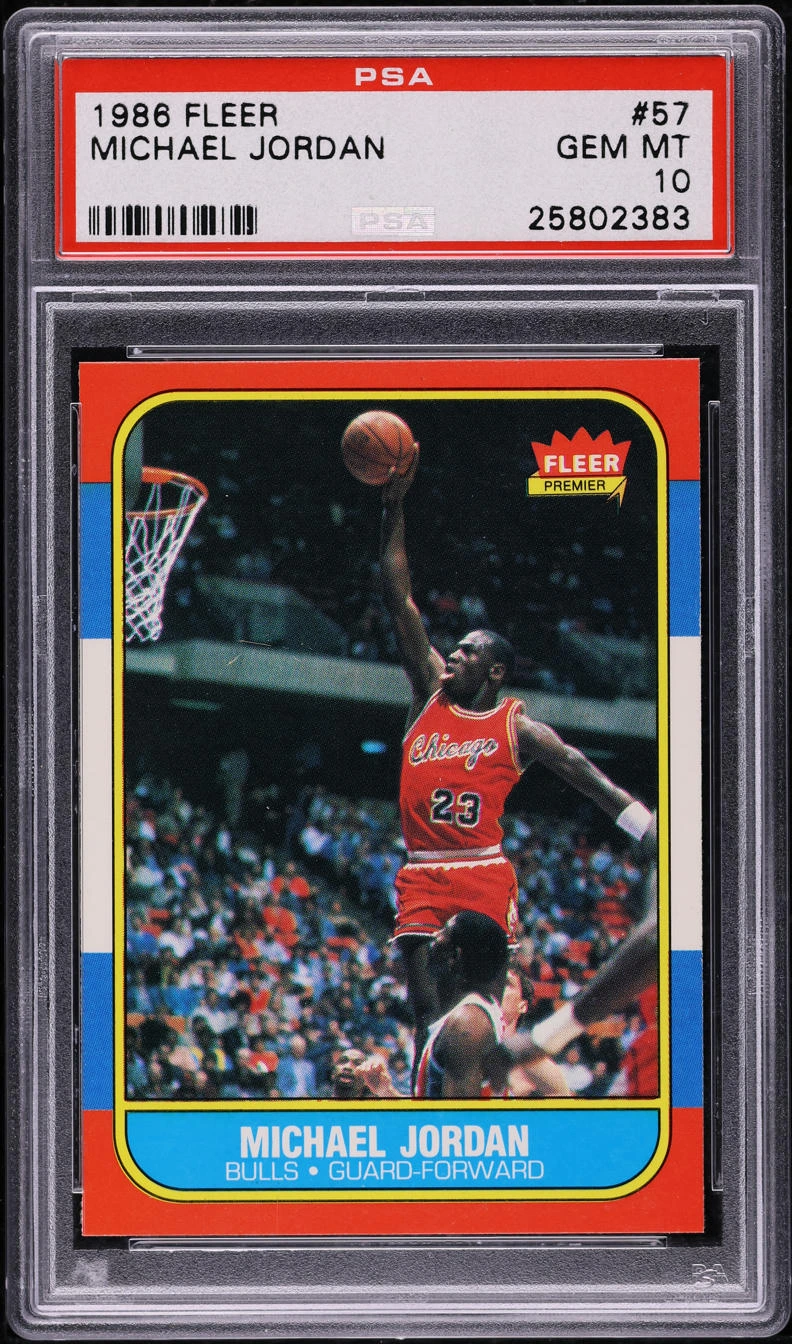
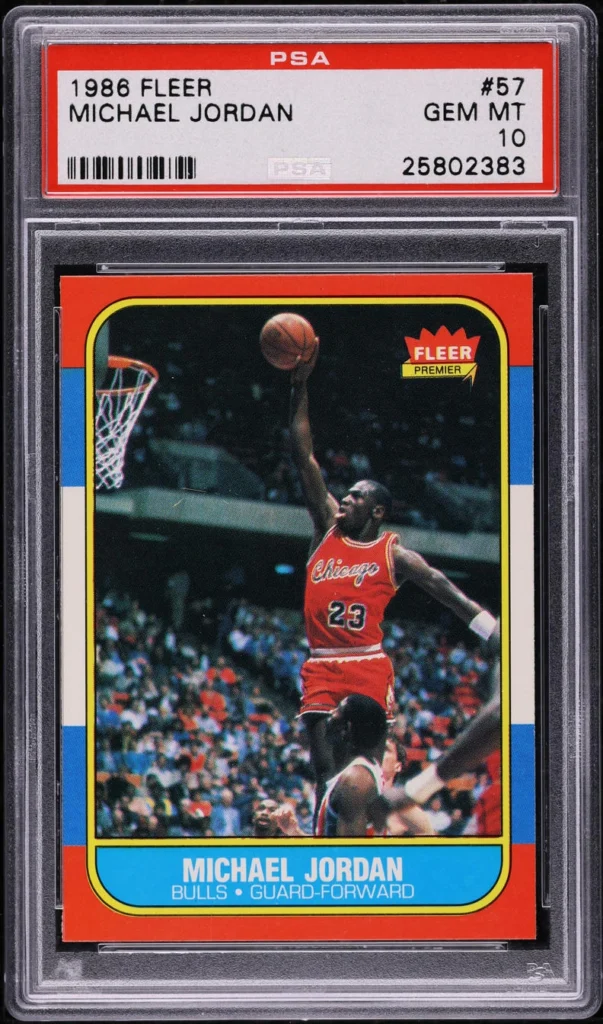
If you’ve recently discovered an old shoebox of cards in your attic or are wondering whether your childhood collection has value, you’ve probably searched for vintage basketball card prices. The truth is that some basketball cards are worth only a few dollars, while others can be worth thousands—or even millions—depending on rarity, condition, and demand. Understanding basketball card values is essential whether you’re a collector, investor, or someone looking to sell a collection. Unlike modern mass-produced cards, vintage basketball cards were printed in smaller quantities and often feature legendary players whose legacy continues to drive demand today. This guide breaks down how to evaluate your cards, what affects pricing, and how to determine the true value of your basketball card collection.
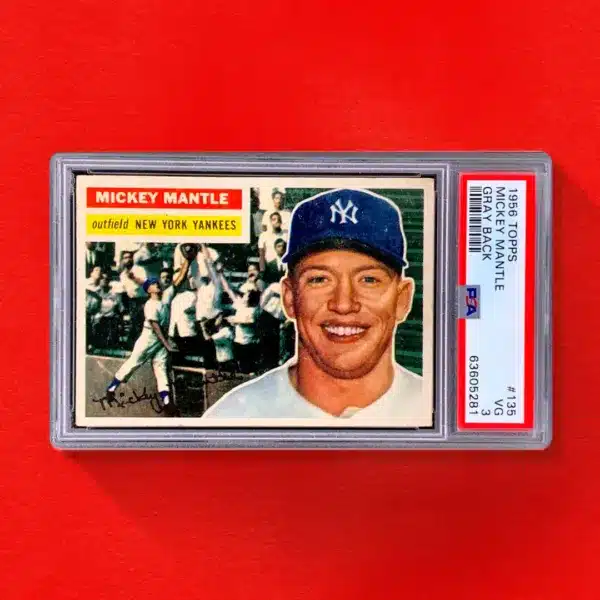
What Are Vintage Basketball Cards?
In the hobby, vintage basketball cards generally refer to cards produced before the late 1980s or early 1990s, when production became significantly more commercialized. Key vintage eras include:
- 1940s–1950s: Early Bowman and Topps issues
- 1960s: The golden age of early NBA legends
- 1970s: Expansion-era cards and rising superstars
- Early–mid 1980s: Pre-modern era with iconic rookie cards
Some of the most notable vintage basketball sets include:
- 1948 Bowman Basketball
- 1957 Topps Basketball
- 1961 Fleer Basketball
- 1969 Topps Basketball
- 1970 Topps Basketball
- 1972 Topps Basketball
- 1976 Topps Basketball
- 1980 Topps Basketball
- 1986–87 Fleer Basketball
These sets are highly collectible today because they include rookie cards of some of the greatest players in NBA history.
What Determines Vintage Basketball Card Prices?
Several key factors influence basketball card prices, and understanding them is critical when evaluating your collection.
1. Player Popularity and Legacy
The most important factor in card value is the player featured on the card. Legendary players continue to dominate the high-end market. Some of the most valuable and in-demand players include:
- Michael Jordan
- LeBron James
- Kobe Bryant
- Magic Johnson
- Larry Bird
- Shaquille O’Neal
- Wilt Chamberlain
- Bill Russell
- Kareem Abdul-Jabbar
- Allen Iverson
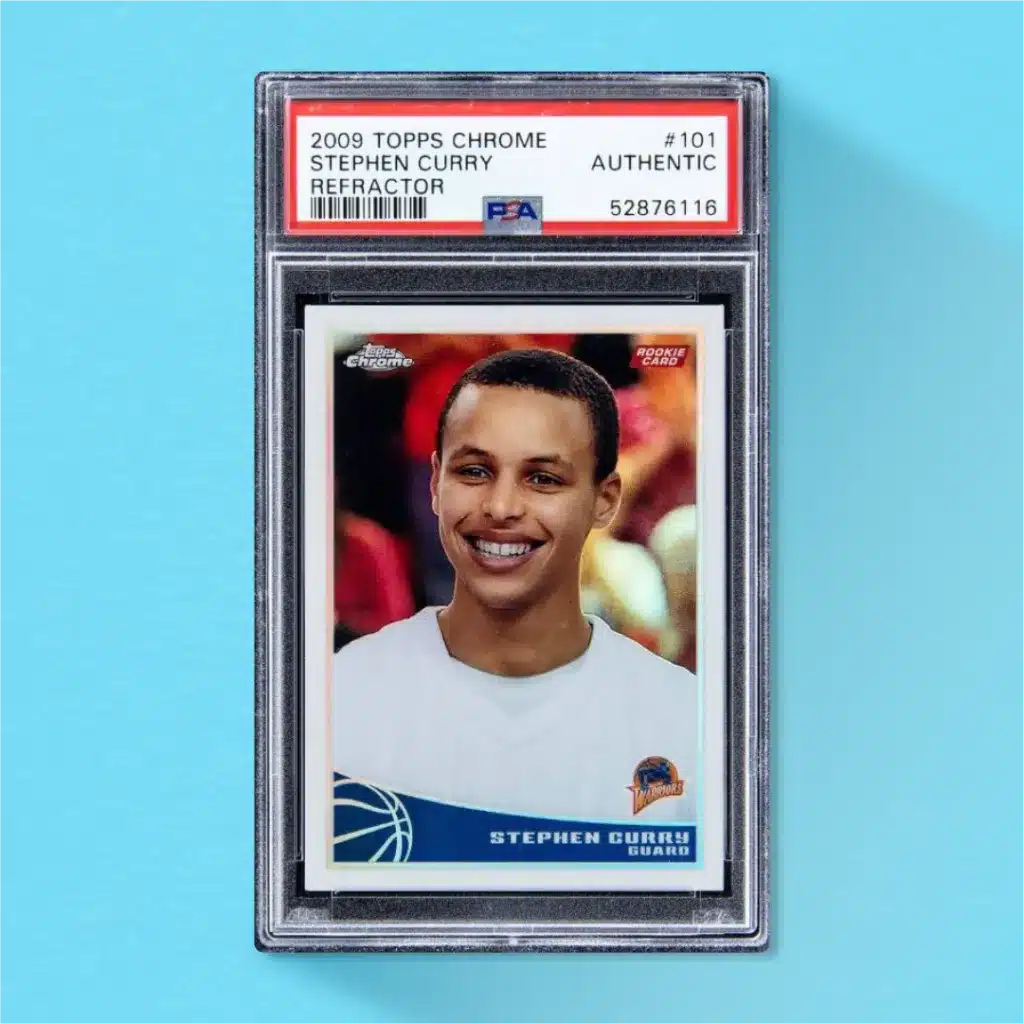
- Stephen Curry
Cards featuring these players—especially early career or rookie cards—tend to command strong prices.
2. Rookie Cards Are the Most Valuable
Rookie cards are the foundation of the basketball card market. A player’s first official card often carries a premium because it represents:
- Their first appearance in a major set
- Limited production compared to later years
- High collector demand
For example, a rookie card of a Hall of Fame player in strong condition can be worth many times more than later-year cards of the same player. Collectors often search specifically for “RC” (rookie card) designations when determining value.
3. Condition and Professional Grading
Condition is one of the most important factors in determining basketball card values. Cards are evaluated based on:
- Centering
- Corners
- Edges
- Surface quality
- Print defects
- Overall eye appeal
Professional grading companies such as PSA, SGC, and BGS assign numerical grades that dramatically influence value. A single grade difference can result in huge price swings. For example, a near-perfect card can be worth several times more than the same card in average condition. Even small imperfections—like slight corner wear or centering issues—can significantly affect pricing.
4. Scarcity and Print Runs
Vintage basketball cards are often scarce due to:
- Low original print runs
- Poor preservation over decades
- Cards being lost, damaged, or discarded
- Limited distribution compared to modern releases
This natural scarcity increases value, especially for cards that were not widely collected when originally released. High-grade examples are particularly rare, making them even more valuable in today’s market.
5. Market Demand and Trends
The sports card market is highly dynamic, and prices change based on demand. Factors influencing demand include:
- Player popularity and cultural relevance
- Championship wins or career milestones
- Media exposure and documentaries
- Hall of Fame induction
- Social media and collector trends
For example, players like Michael Jordan and Kobe Bryant continue to see strong demand due to their global legacy and cultural impact.
How Much Are My Basketball Cards Worth?
One of the most common questions collectors ask is: “How much are my basketball cards worth?” The answer depends on a step-by-step evaluation process.
Step 1: Identify Your Cards
Start by identifying:
- Player name
- Year
- Manufacturer (Topps, Fleer, Bowman, etc.)
- Card number
- Set name
Accurate identification is essential before determining value.
Step 2: Check Recent Sold Prices
The most reliable pricing data comes from recent completed sales, not asking prices. Search platforms like:
- eBay sold listings
- Auction results
- Sports card marketplaces
This helps you understand what buyers are actually paying in today’s market.
Step 3: Compare Condition
Always compare your card to others sold in similar condition or grade. A card in mint condition may be worth significantly more than a heavily worn copy of the same card.
Step 4: Evaluate Market Timing
Card values fluctuate based on:
- Player performance
- Collector demand cycles
- Seasonal hobby trends
- Major sports milestones
Timing can impact how much your cards are worth at any given moment.
Most Valuable Vintage Basketball Cards
While most collections contain common cards, some vintage basketball cards are considered highly valuable and collectible. Notable examples include:
- 1948 Bowman George Mikan rookie
- 1957 Topps Bill Russell rookie
- 1957 Topps Bob Cousy
- 1961 Fleer Wilt Chamberlain rookie
- 1961 Fleer Oscar Robertson rookie
- 1969 Topps Lew Alcindor (Kareem Abdul-Jabbar) rookie
- 1970 Topps Pete Maravich rookie
- 1972 Topps Julius Erving rookie
- 1976 Topps Adrian Dantley rookie
- 1980 Topps Larry Bird / Magic Johnson rookie cards
- 1986–87 Fleer Michael Jordan rookie
These cards remain some of the most sought-after in the entire sports card hobby.
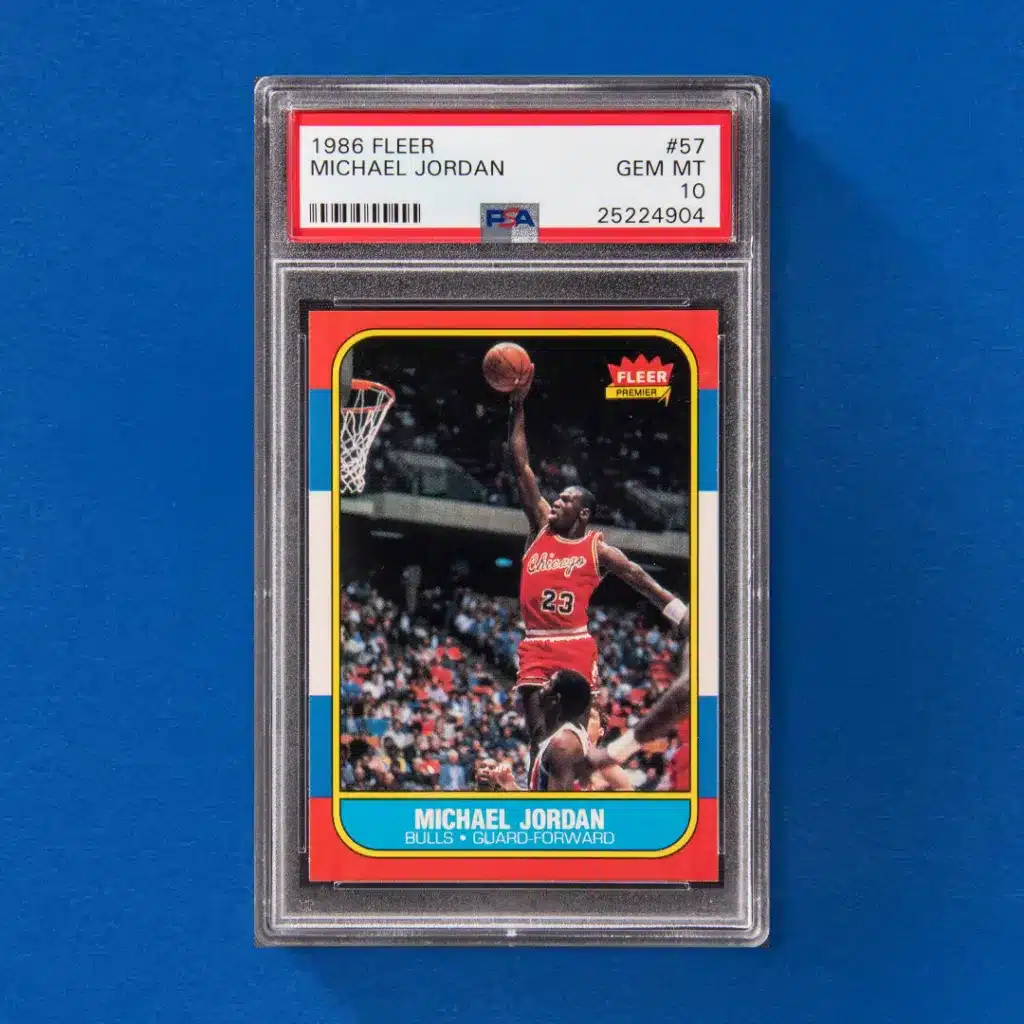
Should You Get Your Basketball Cards Graded?
Grading is one of the most important decisions when evaluating a collection.
When grading makes sense:
- High-value rookie cards
- Cards in excellent condition
- Hall of Fame players
- Rare vintage issues
When grading may not be worth it:
- Common base cards
- Heavily worn cards
- Low-value bulk collections
Grading costs money and time, so it should only be used when it will realistically increase resale value.
Tips for Selling Vintage Basketball Cards
If you’re planning to sell your collection, preparation is key to maximizing value.
Organize Your Collection
Sort cards by:
- Year
- Player
- Set
- Condition
This makes evaluation and pricing much easier.
Take High-Quality Photos
Clear front-and-back images help buyers accurately assess condition and value.
Use Multiple Pricing Sources
To understand basketball card price guide accuracy, compare:
- eBay sold listings
- Auction results
- Market tracking tools
Avoid relying on outdated printed guides.
Work With Trusted Buyers or Auction Houses
For valuable collections, professional buyers or auction platforms can often secure better results than quick local sales.
Common Mistakes When Evaluating Basketball Card Values
Many collectors misjudge their collections due to common mistakes:
- Assuming all old cards are valuable
- Confusing asking price with sold price
- Ignoring condition differences
- Overestimating common 1980s/1990s cards
- Not identifying key rookie cards
Accurate valuation requires careful research and comparison.
Final Thoughts on Vintage Basketball Card Prices
Understanding vintage basketball card prices is the key to unlocking the true value of your collection. While many cards may have modest value, others—especially rookie cards of legendary NBA players—can be extremely valuable. The most important factors remain consistent:
- Player significance
- Card condition
- Rarity and scarcity
- Market demand
Whether you’re a collector or preparing to sell, taking the time to properly evaluate your cards can make a significant financial difference. If you’re unsure about your collection, a professional appraisal or experienced dealer can help you identify key cards and understand the current market.