
If you’re asking “should I grade my cards?”, you’re already thinking like a serious collector or seller. Whether you recently found a vintage collection or are preparing to sell valuable cards, understanding grading vintage baseball cards is one of the most important decisions you can make. Card grading can dramatically increase value—but it can also be a costly mistake if done incorrectly. Some cards gain hundreds or even thousands of dollars in value after grading, while others lose money once grading fees are factored in. This guide breaks down everything you need to know about baseball card grading, including when it makes sense, when to avoid it, and how to evaluate whether your card is worth submitting to PSA, SGC, or Beckett.
What Does It Mean to Grade a Baseball Card?
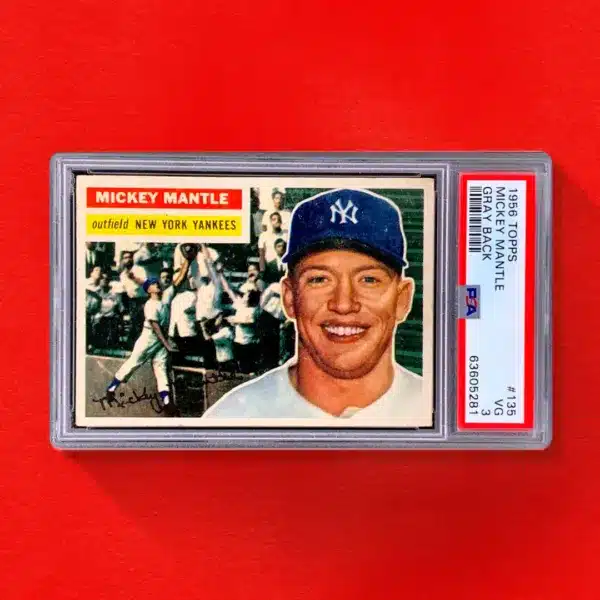
Card grading is the process of sending a trading card to a professional grading company to evaluate its condition, authenticity, and overall quality. The major grading companies include:
- PSA (Professional Sports Authenticator)
- SGC (Sportscard Guaranty Corporation)
- Beckett Grading Services (BGS/BVG)
Each company assigns a numerical grade from 1 to 10:
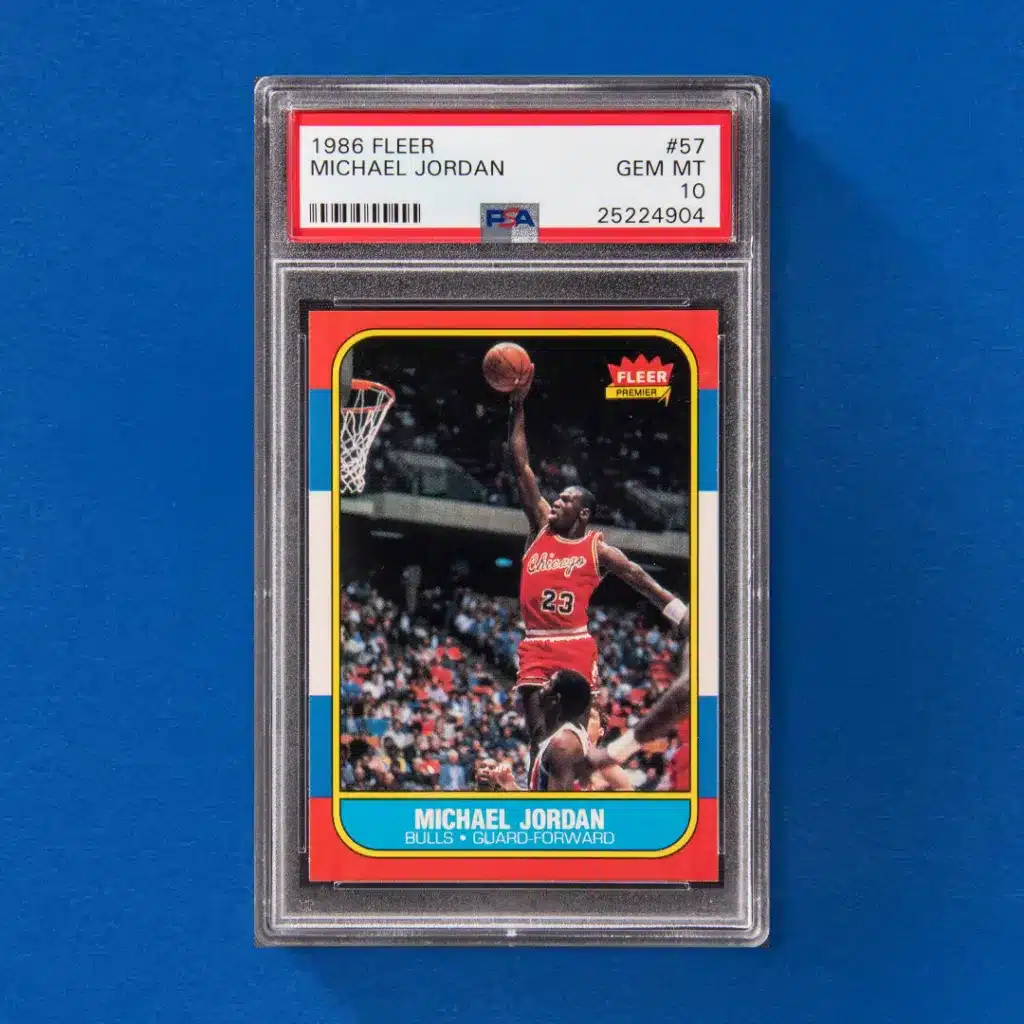
- 10 = Gem Mint condition
- 9 = Mint
- 8 = Near Mint-Mint
- 7 and below = visible wear or flaws
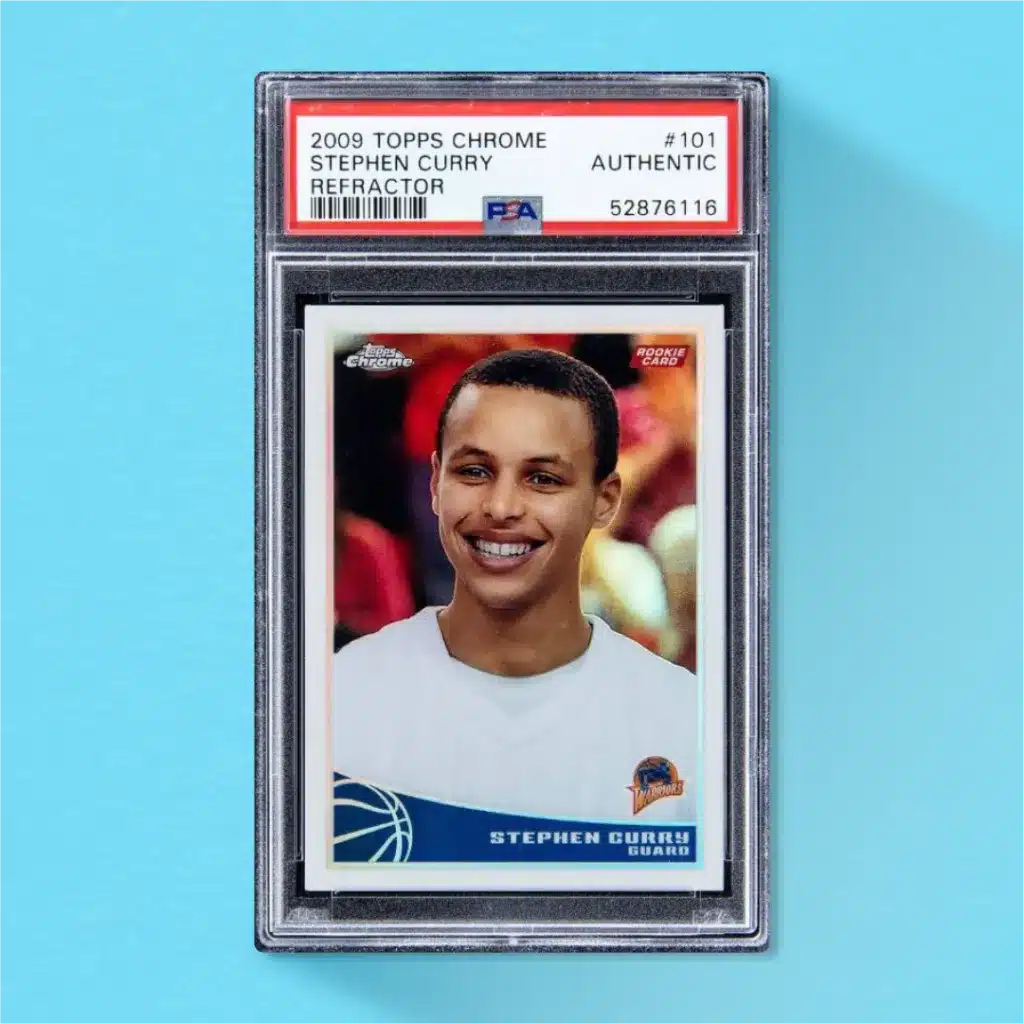
Once graded, the card is sealed in a protective case (“slab”) with its assigned grade. The goal of grading is simple: Turn subjective condition into standardized market value. But the real question is not what grading is—it’s whether it’s worth doing.
The Real Question: Is Grading Worth the Cost?
When collectors ask “should I grade my cards?”, they are usually thinking emotionally:
- “This card looks really good”
- “This might be a 10”
- “Grading will increase its value”
But grading is not emotional—it is mathematical. Every grading decision should be based on:
- Raw card value
- Expected graded value
- Grading fees
- Shipping and insurance costs
- Probability of receiving a high grade
If the numbers don’t work, grading does not make sense.
How Much Does Card Grading Cost?
Grading costs vary depending on company, turnaround time, and declared value. Typical modern pricing ranges:
- PSA: ~$25–$75 per card (or higher for valuable submissions)
- SGC: ~$15–$30 per card
- Beckett: ~$20–$50 per card
Additional costs may include:
- Shipping both ways
- Insurance for higher-value cards
- Membership fees (for some services)
When evaluating is grading sports cards worth it, these costs must be included in your calculation—not just the base fee.
When Grading Vintage Baseball Cards IS Worth It
There are specific situations where grading vintage baseball cards makes strong financial sense.
1. High-Value Rookie Cards
Rookie cards are the most important cards in the hobby. Examples include:
- Mickey Mantle rookie cards
- Willie Mays rookie cards
- Hank Aaron rookie cards
- Tom Brady and Michael Jordan equivalents in other sports
If a card already has strong raw value, grading can significantly increase its resale price.
2. Cards in Exceptional Condition
Condition is everything. Cards worth grading typically show:
- Sharp corners
- Strong centering
- Clean surface
- Minimal edge wear
If a vintage card looks unusually clean for its age, it may be a strong grading candidate.
3. Rare or Low-Print Cards
Cards with limited supply often benefit most from grading. This includes:
- Pre-1970 vintage issues
- Short print variations
- Rare Hall of Fame cards
- Low-population examples
Scarcity combined with high condition creates strong grading upside.
4. Cards Likely to Grade PSA 9 or PSA 10
The biggest value jumps come from high grades. A card that is likely to receive:
- PSA 9
- PSA 10
- SGC 96+
…is often worth grading. Even a single grade bump can multiply value significantly.
When You SHOULD NOT Grade Your Cards
Just as important as knowing when to grade is knowing when NOT to. Most collectors lose money because they over-grade low-value cards.
1. Cards Under $30–$50 Raw Value
If the raw card is low value, grading usually does not make sense. Even if the card grades well, the math often fails once fees are included.
2. Visibly Damaged Cards
If you can see:
- Creases
- Soft corners
- Surface scratches
- Off-centering
…it is unlikely to grade high enough to justify the cost. A PSA 6 or PSA 7 on a common card rarely sells for enough to cover grading fees.
3. Mass-Produced Modern Cards
Modern cards often have:
- Millions of copies
- High PSA 10 populations
- Low resale premiums
Even perfect grades may not increase value enough to justify grading.
4. Cards with Already Saturated Pop Reports
If thousands of PSA 10 copies already exist, adding another does not significantly increase value. High population = low grading upside.
The Simple Grading Rule Most Collectors Use
A useful rule when deciding should I grade my cards is: Only grade a card if the expected value increase is at least 2–3x the grading cost. If not, the risk outweighs the reward.
PSA vs SGC vs Beckett: Which Should You Use?
Choosing the right grading company also affects value.
PSA (Most Popular)
- Highest resale value
- Strong market recognition
- Best for vintage and high-end cards
SGC (Best for Vintage Value Efficiency)
- Lower cost
- Faster turnaround
- Strong reputation for older cards
Beckett (Best for Modern High-End Cards)
- Subgrades available
- Strong modern collector appeal
- Less consistent resale for vintage compared to PSA
For most vintage baseball card collectors, PSA or SGC are the preferred options.
How to Evaluate Your Card Before Grading
Before submitting anything, perform a simple self-check.
The 4 Key Grading Factors
1. Corners
Are they sharp or rounded?
2. Surface
Any scratches, print defects, or stains?
3. Centering
Is the image evenly aligned?
4. Edges
Any chipping or rough cuts? If flaws are visible to the naked eye, the card is unlikely to reach a high grade.
Common Mistakes Collectors Make
Many collectors lose money on grading due to avoidable mistakes:
- Grading low-value cards
- Overestimating condition
- Ignoring population reports
- Submitting emotionally valuable but low-grade cards
- Not researching market comps
Grading should always be a business decision, not an emotional one.
Final Answer: Should I Grade My Cards?
The answer depends entirely on the card—not the collector. You SHOULD grade your cards if:
- The card is valuable raw
- Condition is strong
- It has strong market demand
- A high grade would significantly increase value
You SHOULD NOT grade your cards if:
- The card is low value
- Condition is flawed
- The population is saturated
- Grading costs outweigh potential gains
At its core, grading vintage baseball cards is about maximizing return, not just protecting cardboard.
Final Thoughts
Understanding should I grade my cards is one of the most important skills in the sports card hobby. Grading can unlock significant value—but only when used strategically. The most successful collectors think in terms of:
- Probability
- Condition
- Market demand
- Cost vs. return
Not every card deserves grading, but the right card at the right time can transform a collection’s value dramatically. If you take a disciplined approach, grading becomes a powerful tool instead of an expensive gamble.