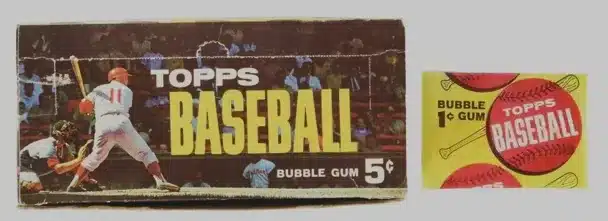
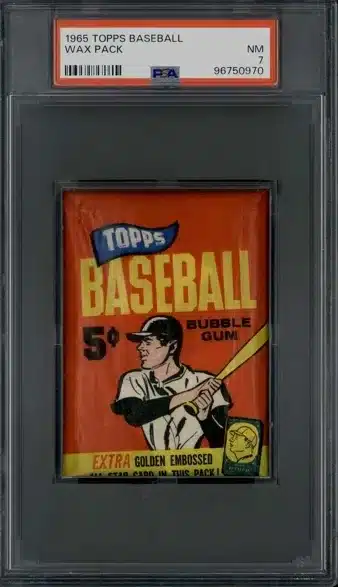
If you’ve been exploring the sports card hobby, you’ve likely come across the term vintage breaks or “card breaks.” At first, it might sound confusing—but it’s actually one of the most exciting and fast-growing ways collectors participate in the hobby today. Whether you’re chasing a 1952 Topps Mickey Mantle, a rare 1970s rookie card, or just want to experience the thrill of opening vintage packs live, understanding vintage card breaks is essential. This guide breaks down exactly what sports card breaks are, how they work, why collectors participate, and how you can join your first break safely and confidently.
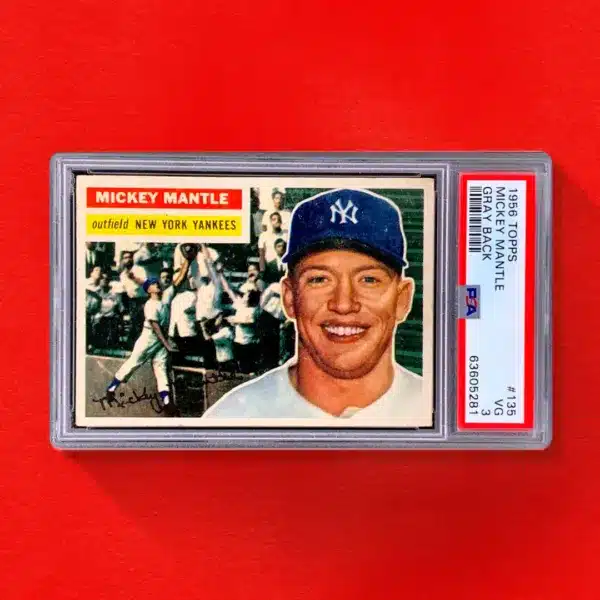
What Are Vintage Breaks?
Vintage breaks are live or recorded events where sealed packs, boxes, or complete sets of trading cards are opened and distributed among multiple participants who purchase “spots” in the break. Instead of one person buying an entire box or set, collectors share the cost and receive cards based on a predetermined system. In simple terms:
- A breaker buys the product
- Collectors buy spots
- The product is opened live
- Cards are distributed to participants
This allows collectors to access high-end vintage products that might otherwise be too expensive to buy individually. Vintage breaks often include:
- Vintage baseball cards
- Vintage football cards
- Vintage basketball cards
- Non-sports vintage sets
- High-end graded card breaks
Many breaks are streamed live on platforms like YouTube, Facebook, or dedicated hobby sites, allowing collectors to watch the entire process in real time.
How Do Vintage Card Breaks Work?
Understanding how vintage card breaks work is key before participating. While formats can vary, most breaks follow a similar structure:
1. The Break Is Announced
A breaker lists a product such as:
- A sealed wax pack
- A full box
- A complete vintage set
- A graded card lot
Each break has a fixed number of spots based on the structure of the product.
2. Collectors Purchase Spots
Collectors then buy “spots” in the break. Depending on the format, spots may represent:
- A specific card number
- A team (sports breaks)
- A random assignment
- A division or category
Each spot gives the buyer a chance to receive one or more cards from the break.
3. Spots Fill and Randomization Happens
Once all spots are sold out:
- Names are randomized (in many formats)
- Assignments are finalized
- Participants are locked into their outcomes
This ensures fairness and transparency in the break process.
4. The Live Break Begins
The breaker opens the product live on stream. Collectors watch as:
- Packs are opened
- Cards are revealed in real time
- Hits are announced instantly
This live experience is one of the main reasons vintage breaks have become so popular.
5. Cards Are Shipped to Participants
After the break:
- Cards are sorted
- Packaged securely
- Shipped to each participant based on their results
Every participant receives whatever cards they “hit” during the break.
Why Are Vintage Breaks So Popular?
The rise of vintage card breaks comes down to a few key advantages that appeal to collectors at all levels.
1. Access to High-End Vintage Products
Vintage wax boxes and sealed packs can cost thousands—or even tens of thousands—of dollars. Breaks allow collectors to:
- Participate at a lower entry cost
- Access rare vintage material
- Chase legendary cards without full box ownership
This opens the door to iconic products like early Topps sets and rare rookie cards.
2. The Thrill of Live Opening
One of the biggest attractions is the experience itself. Collectors enjoy:
- Watching live pack openings
- The suspense of unknown outcomes
- Real-time reactions to big hits
- Community interaction during streams
It recreates the excitement of opening packs—but with higher stakes and rarer products.
3. Opportunity for Big Hits
Vintage breaks give participants a chance at iconic cards such as:
- Hall of Fame rookie cards
- Short-print vintage legends
- High-grade vintage inserts
- Rare error or variation cards
Even a single spot can potentially return a major card if luck is on your side.
4. Community Aspect
The hobby has become more social than ever. Collectors participate in:
- Live chat discussions
- Break communities
- Shared reactions to hits
- Online hobby groups
This sense of community is a major part of the modern collecting experience.
Types of Vintage Breaks
Not all vintage breaks are the same. Different formats determine how cards are distributed.
1. Set Breaks
In a set break:
- A complete set is divided into individual card spots
- Each spot corresponds to a specific card number
- Participants receive the card assigned to their spot
This format is popular for vintage sets like early Topps baseball or basketball releases.
2. Pack Breaks
Pack breaks involve:
- Opening sealed vintage packs
- Assigning cards based on pack results
- Random distribution depending on format
This is one of the most traditional and exciting break styles.
3. Box Breaks
Box breaks involve:
- Opening sealed wax boxes
- Distributing cards based on team, random, or number assignments
These are common for both vintage and modern products.
4. Graded Card Breaks
In graded breaks:
- Each card is already professionally graded
- Spots correspond to specific graded cards
- Participants receive assigned slabs
This format reduces randomness and increases clarity on potential value.
Are Vintage Breaks Worth It?
Whether vintage breaks are “worth it” depends on your goals as a collector.
Pros:
- Lower cost than buying sealed vintage boxes
- Access to rare and historic cards
- Fun, interactive experience
- Chance at high-value hits
Cons:
- No guaranteed return
- Outcomes depend heavily on luck
- Some spots may yield low-value cards
- Not ideal for guaranteed investment returns
Most collectors view breaks as entertainment combined with collecting—not a guaranteed investment strategy.
How to Join Your First Vintage Break
If you’re new to vintage breaks, getting started is simple:
Step 1: Find a Reputable Breaker
Look for:
- Established hobby platforms
- Transparent live streams
- Clear break rules
Step 2: Understand the Format
Always check:
- How spots are assigned
- Whether randomization is used
- What product is being opened
Step 3: Buy Your Spot
Choose a spot based on:
- Budget
- Risk tolerance
- Product type
Step 4: Watch the Live Break
Join the stream and watch your cards get revealed in real time.
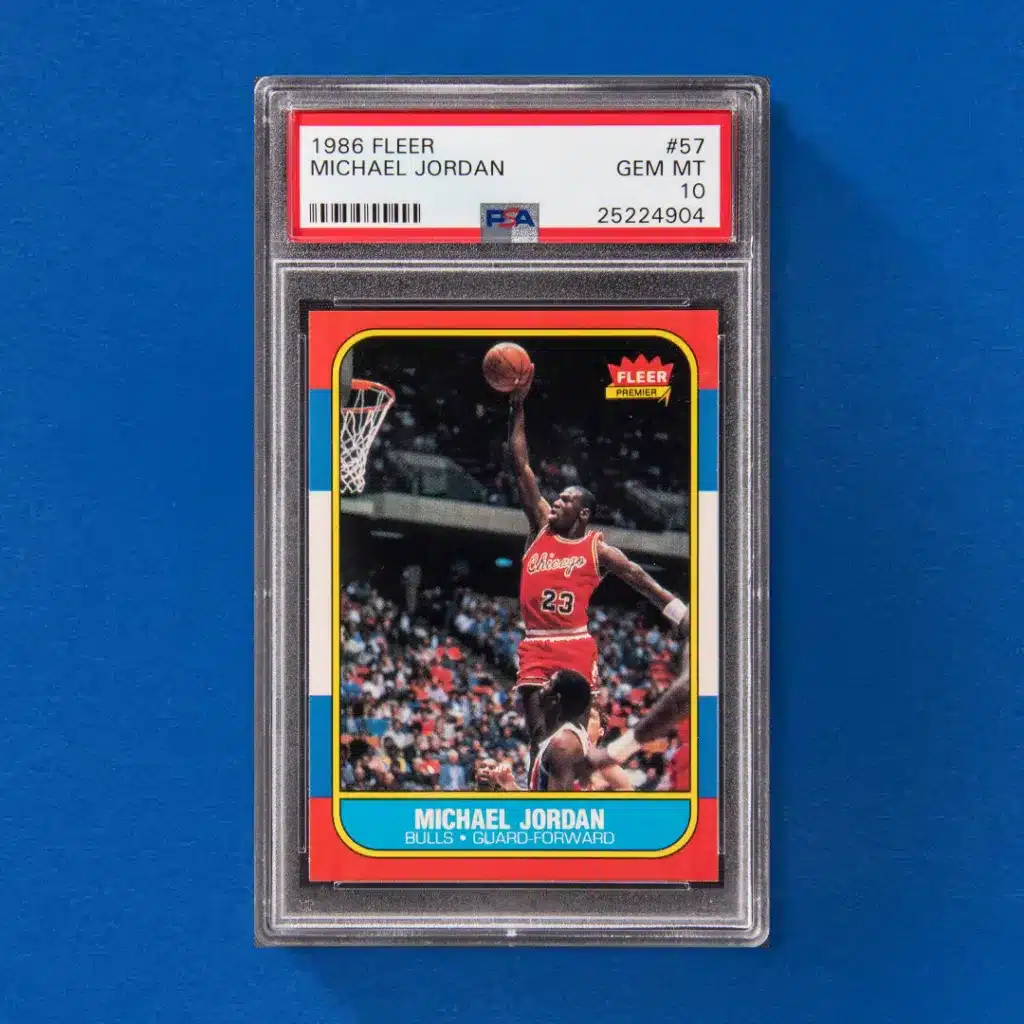
Risks and Things to Understand
While exciting, sports card breaks also come with risks:
- You may receive low-value cards
- High variance in outcomes
- Prices may include markup for entertainment value
- Not all breakers operate the same way
It’s important to participate responsibly and treat breaks as a hobby expense rather than guaranteed profit.
Final Thoughts on Vintage Breaks
Vintage breaks have transformed the way collectors interact with the hobby. Instead of needing to purchase entire vintage boxes or sets, collectors can now participate in live, shared experiences and chase some of the most iconic cards in sports history. From early Topps rookies to rare Hall of Fame cards, the excitement of not knowing what will be pulled is what keeps collectors coming back. Whether you’re a seasoned collector or just starting out, understanding how vintage card breaks work can open the door to a more interactive and exciting way to enjoy the hobby. At the end of the day, vintage breaks are about three things:
- Access
- Excitement
- Community
And that combination is what continues to fuel their popularity across the collecting world.