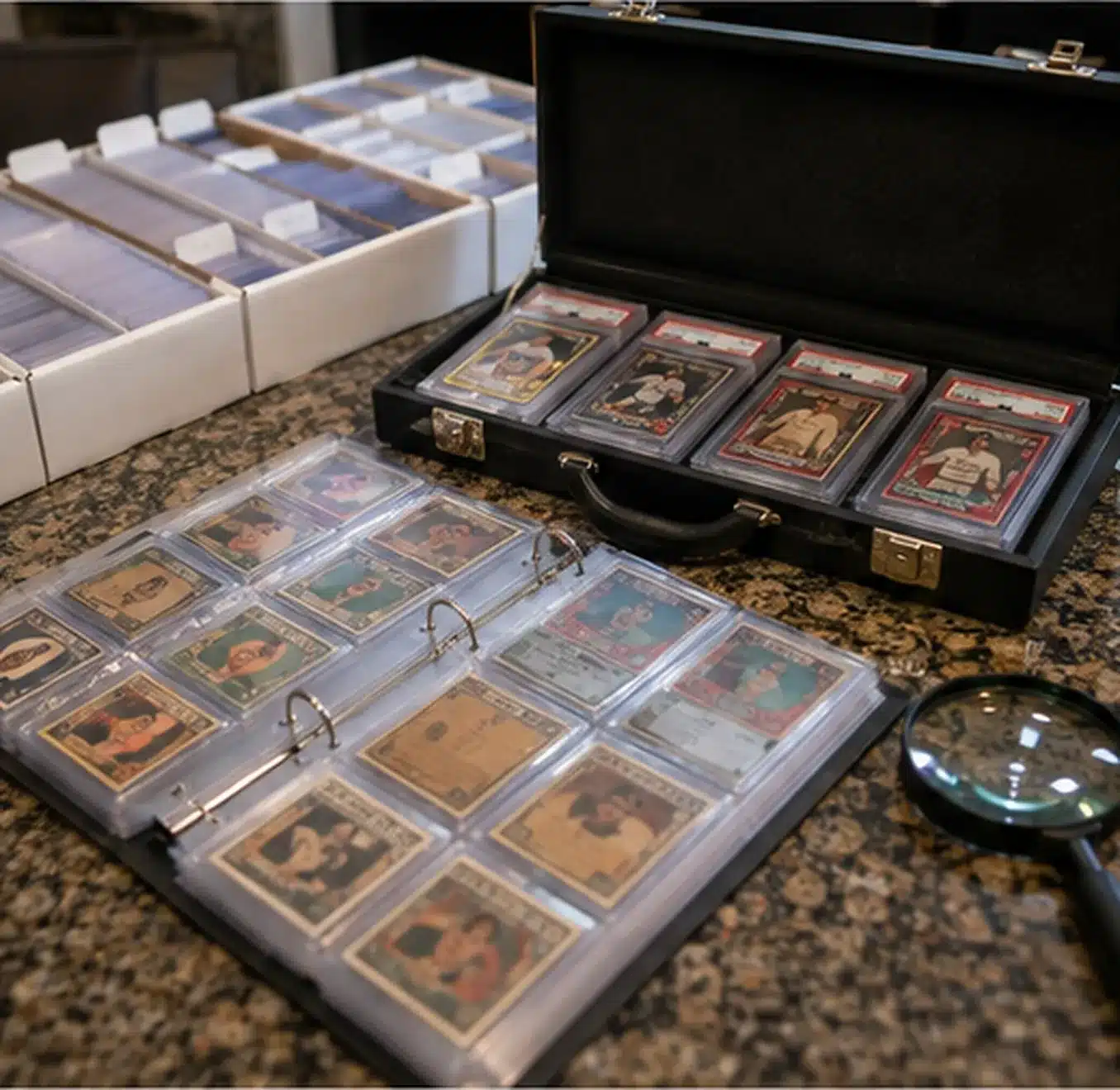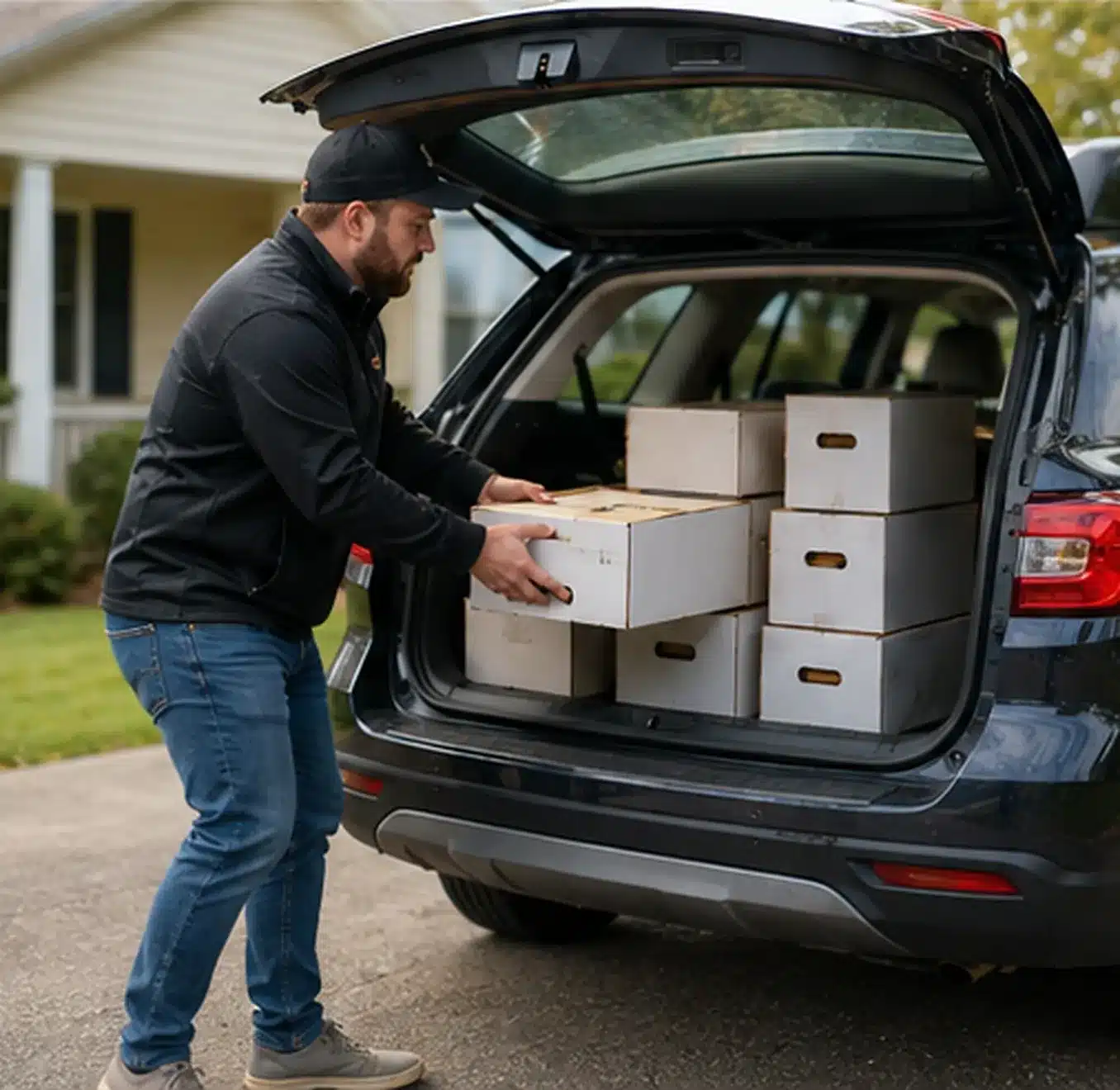
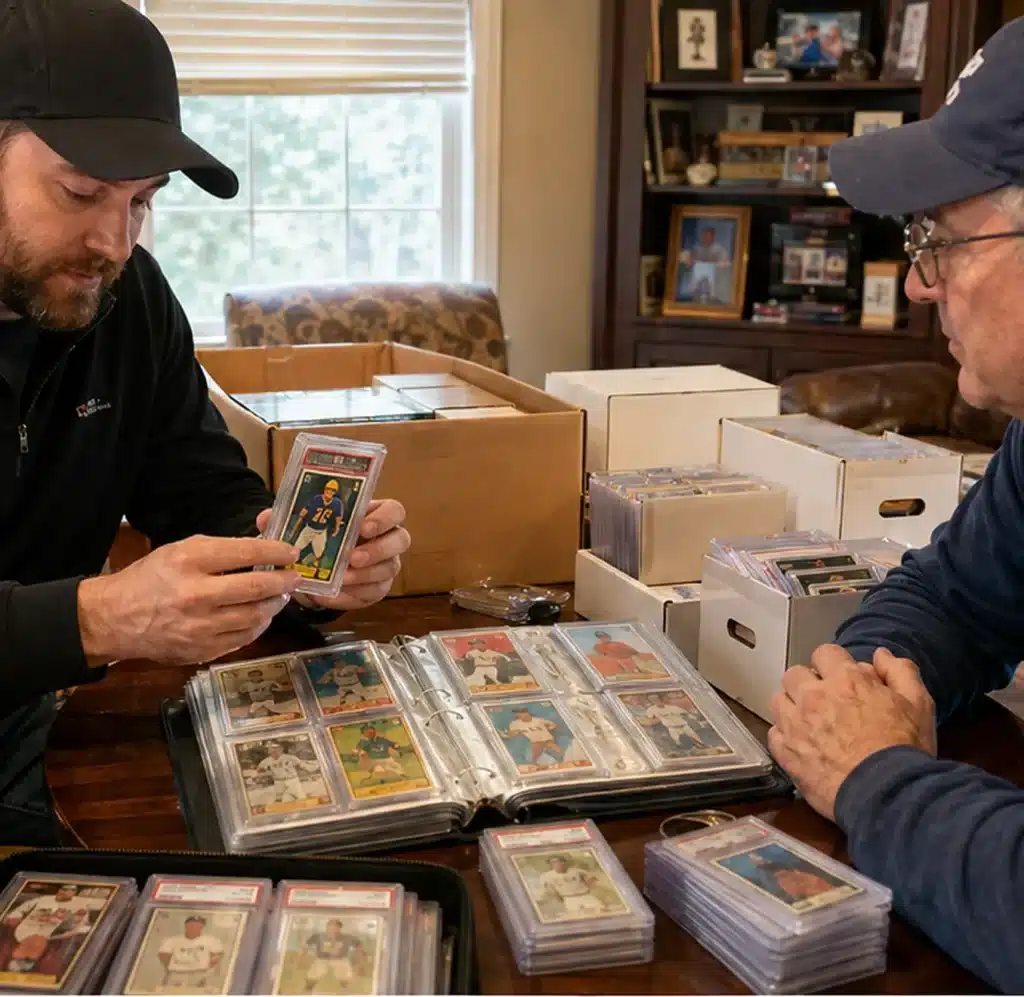
At the heart of the sports card hobby is one thing: great collections don’t always come to you—you often have to go to them. That’s why professional buyers frequently organize sports card buying trips, traveling across the country to evaluate, appraise, and purchase valuable collections directly from collectors. Whether you have vintage baseball cards, modern rookie cards, sealed wax boxes, or a lifelong collection stored away in a closet, a buying trip can be the easiest and safest way to sell your cards for top value. In this guide, we’ll explain exactly how buy trips work, why companies travel to buy collections, and what you can expect if a professional buyer visits your home or meets you in person.
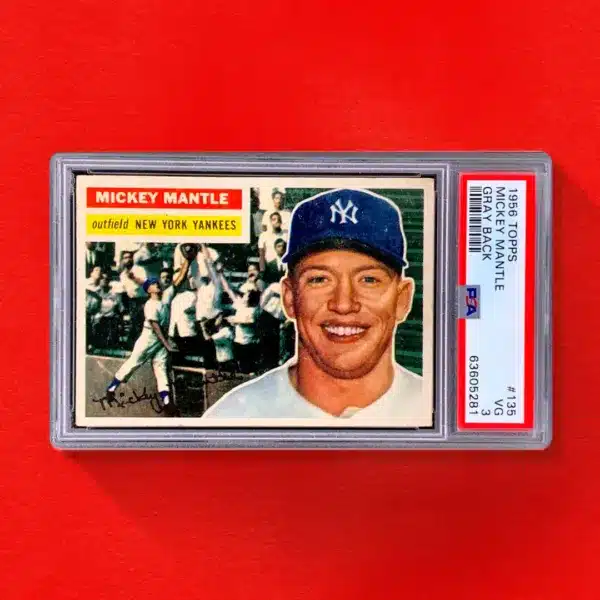
What Are Sports Card Buy Trips?
A buy trip is when a professional sports card buyer or collectibles company travels to meet collectors in person to purchase collections directly. Instead of shipping your cards or bringing them to a show, a specialist comes to:
- Your home
- Your office
- A hotel or public meeting place
- A regional card show
The goal is simple: provide a safe, convenient, and efficient way to sell large or valuable collections without the risks of shipping or online transactions. Buy trips are especially useful for:
- Large collections that are hard to move
- High-value vintage cards
- Estate collections or inherited cards
- Collections that require expert evaluation
Why Companies Travel to Buy Sports Cards
There’s a reason experienced buyers regularly hit the road. Sports card collections are often too large, too fragile, or too valuable to be easily shipped or transported by collectors themselves. Here are the main reasons buying trips are so common:
1. Large Collections Are Hard to Ship
Many collectors have thousands of cards stored in binders, boxes, and albums. Packing and shipping them safely can be overwhelming. A buy trip eliminates that stress entirely. Instead of boxing everything up, you simply allow an expert to evaluate the collection in person.
2. High-Value Cards Need Expert Evaluation
Some collections include:
- Vintage T206 tobacco cards
- 1950s Topps baseball cards
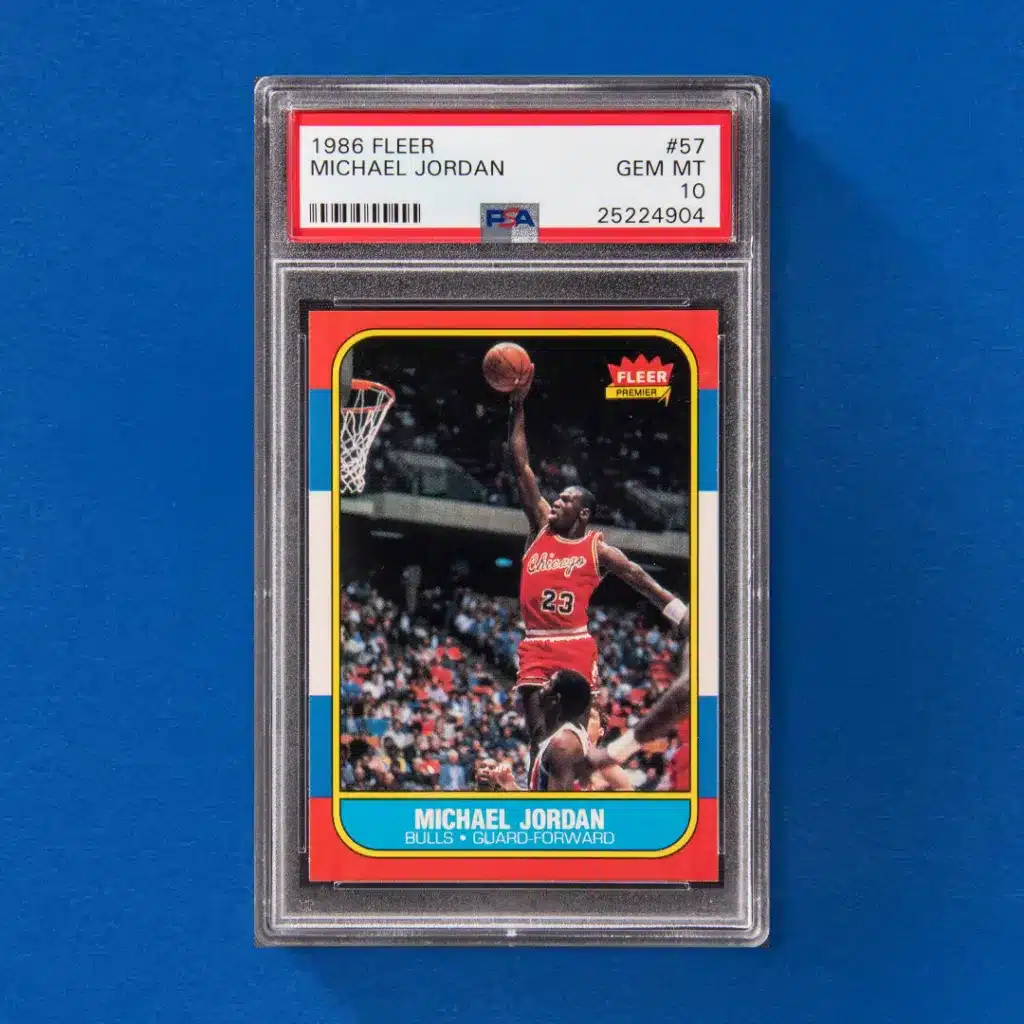
- Michael Jordan rookie cards
- High-end modern autographs
- Graded PSA, SGC, or BGS cards
These items require careful inspection. A trained buyer can assess condition, authenticity, and market value on-site, reducing the risk of misvaluation.
3. Avoiding Shipping Risk
Shipping valuable sports cards always carries risk:
- Lost packages
- Damage during transit
- Insurance complications
- Incorrect packaging
A buying trip removes these risks completely by keeping the transaction in person.
4. Faster Payment and Decisions
Instead of waiting for shipping, grading, and online auction results, buy trips allow for:
- Immediate evaluation
- On-the-spot offers
- Faster payouts
- Same-day or next-day decisions in many cases
How Sports Card Buying Trips Work
Understanding the process helps you prepare and get the most value from your collection.
Step 1: Initial Contact and Collection Overview
The process usually begins when you reach out and describe your collection. Buyers may ask for:
- General inventory (sports, years, types of cards)
- Photos of key cards
- Estimated size of the collection
- Any known valuable items
This helps determine whether a trip is necessary and how to prepare.
Step 2: Scheduling the Trip
If the collection fits the buyer’s criteria, a trip is scheduled. Buyers may travel:
- Across states
- Regionally within a few hours
- Nationwide for major collections
Appointments are usually set in advance, but sometimes flexible scheduling is possible depending on urgency and value.
Step 3: In-Person Evaluation
During the visit, a professional evaluates your collection on-site. They will:
- Sort through cards carefully
- Identify key rookies, Hall of Famers, and rare issues
- Check condition and authenticity
- Separate graded and ungraded cards
- Assess market demand
This process is transparent and typically done in front of the seller.
Step 4: Offer Presentation
After evaluation, you receive a direct purchase offer based on:
- Current market prices
- Card condition and rarity
- Grading potential
- Overall collection strength
In many cases, offers are made immediately so you can decide on the spot.
Step 5: Payment and Collection Transfer
If you accept the offer:
- Payment is arranged (check, wire, or agreed method)
- The collection is securely transferred
- Documentation is completed for your records
The process is designed to be fast, secure, and hassle-free.
What Types of Collections Are Bought on Trips?
Buying trips often focus on specific types of collections that require expert handling.
Vintage Sports Cards (Most Common)
Highly sought-after vintage cards include:
- Pre-war tobacco cards (T206, T205, etc.)
- 1950s Topps baseball sets
- 1960s and 1970s rookie cards
- Early basketball and football issues
These cards often have significant historical and financial value.
Modern Rookie Cards and Autographs
Modern collections can also be valuable, especially featuring:
- Rookie cards of top athletes
- Limited serial-numbered cards
- On-card autographs
- Prizm, Optic, and Select parallels
Graded Card Collections
Collections graded by:
- PSA
- SGC
- BGS
are often easier to evaluate and can command strong offers during buy trips.
Wax Boxes and Sealed Products
Unopened items are also highly desirable:
- Sealed wax boxes
- Factory sets
- Hobby and retail cases
- Vintage unopened packs
Entire Estate or Inherited Collections
Buy trips are especially helpful when someone inherits a large collection and needs help understanding its value.
Benefits of a Sports Card Buying Trip
Choosing a buy trip instead of shipping or online selling offers several advantages:
Convenience
You don’t have to package, ship, or transport anything.
Security
No risk of postal damage or loss.
Expert Evaluation
Professionals identify hidden gems that might otherwise be overlooked.
Fair Market Offers
In-person evaluation often leads to more accurate pricing.
Speed
Entire transactions can often be completed in one visit.
What to Prepare Before a Buying Trip
To get the most out of a visit, it helps to prepare:
- Organize cards loosely by type or era
- Keep graded cards separate from raw cards
- Avoid overhandling valuable items
- Gather any purchase history or provenance
- Identify anything you believe is especially valuable
You don’t need to be an expert—that’s what the buyer is there for.
Common Mistakes to Avoid
Collectors sometimes unintentionally reduce value or slow the process by:
- Throwing everything into unsorted boxes
- Overlooking valuable cards mixed in commons
- Cleaning or altering cards
- Removing cards from graded holders
- Not disclosing full collection details upfront
A little organization can make a big difference in evaluation speed and accuracy.
Final Thoughts
Sports card buying trips remain one of the most efficient and collector-friendly ways to sell a collection. Whether you’re dealing with vintage baseball cards, modern rookies, or an entire estate collection, having a professional come to you ensures safety, convenience, and accurate valuation. Instead of worrying about shipping risks or sorting everything alone, a buy trip brings the expertise directly to your door. If you have a collection you’re considering selling, an in-person buying trip may be the simplest way to turn your cards into cash—quickly and securely.