If you’re searching for how to sell my baseball card collection, you’re likely sitting on a mix of excitement and uncertainty. Whether you inherited a collection, rediscovered childhood cards, or simply want to cash out, figuring out the best way to sell vintage baseball cards can feel overwhelming. The good news is that there is a strong market for sports cards—especially vintage issues featuring Hall of Famers, rookie cards, and early Topps releases. However, the difference between a rushed sale and a well-planned strategy can mean hundreds or even thousands of dollars in value. This guide will walk you through everything you need to know about selling baseball card collections, including how to evaluate what you have, where to sell, and how to maximize your return.
Step 1: Identify What You Have in Your Baseball Card Collection
Before you sell anything, the most important step is understanding exactly what is in your collection. Most vintage baseball card collections include a mix of:
- Hall of Fame players
- Rookie cards
- Common base cards
- Mixed decades (1950s–1990s)
- Occasionally rare short prints or valuable inserts
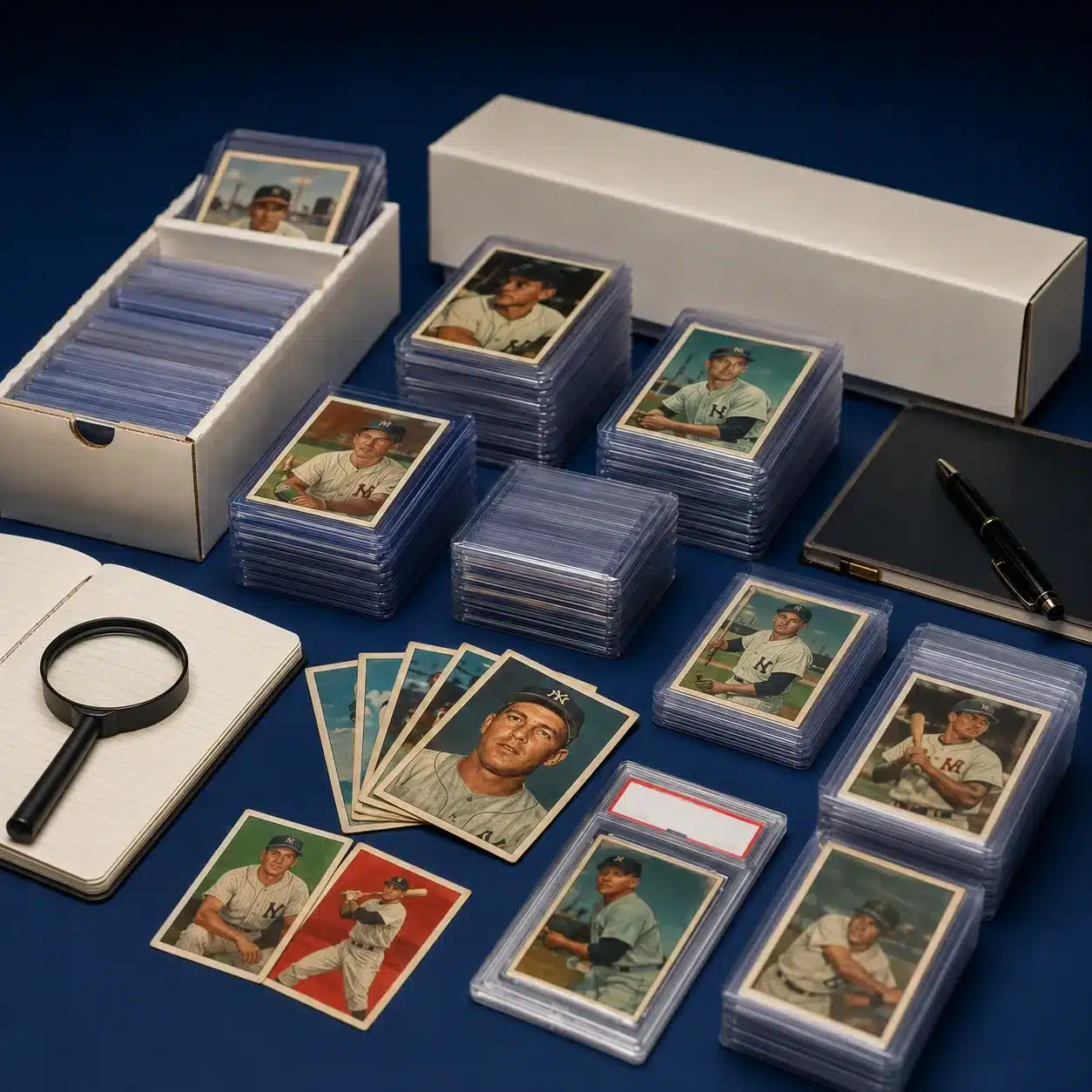
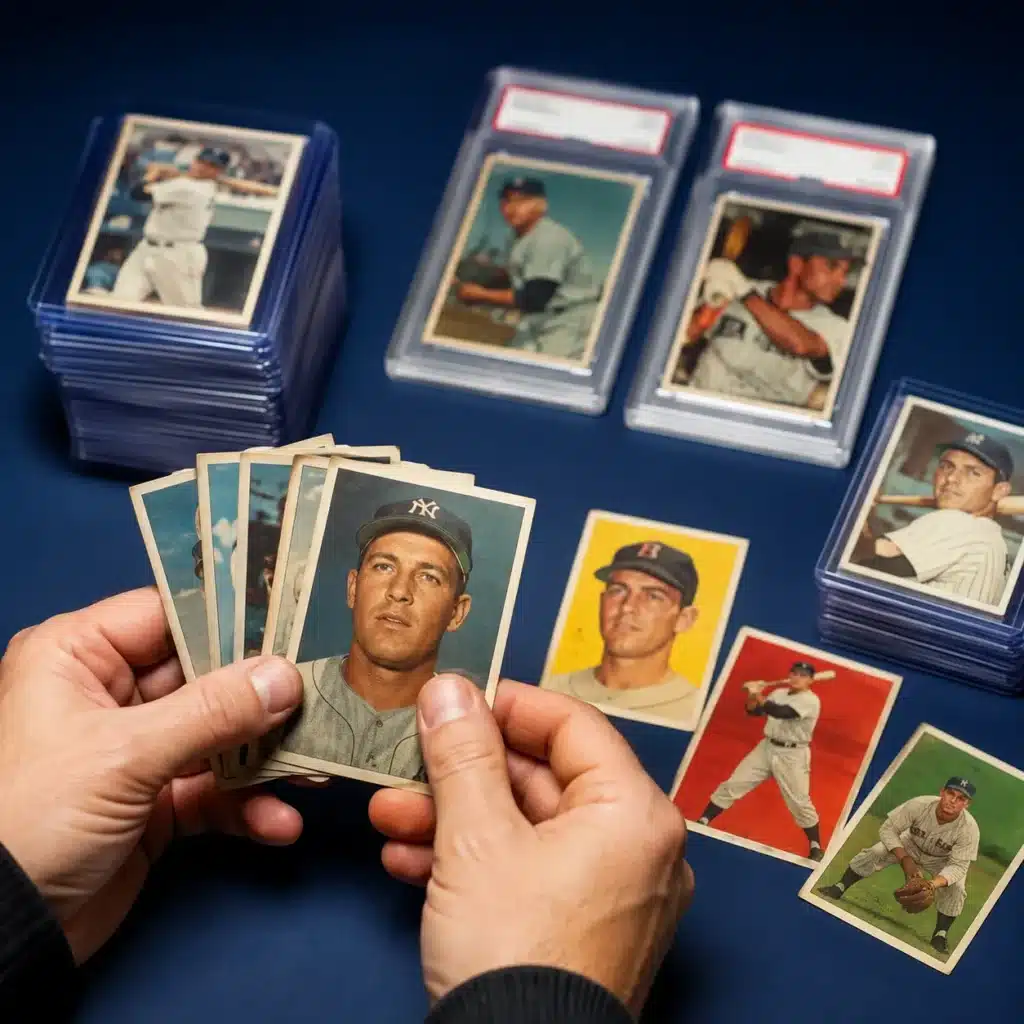
Start by sorting your cards into categories:
- Pre-1970 vintage cards (highest value tier)
- 1970s–1980s cards (mid-value vintage)
- 1990s “junk wax” era cards (low individual value)
- Star players and rookies
- Graded cards (if applicable)
This initial sorting helps you avoid accidentally selling valuable cards as bulk lots.
Step 2: Determine Which Cards Have Real Value
Not all old cards are valuable. One of the most important steps in learning how to sell baseball cards is identifying which ones are worth individual attention. Look for:
1. Hall of Famers
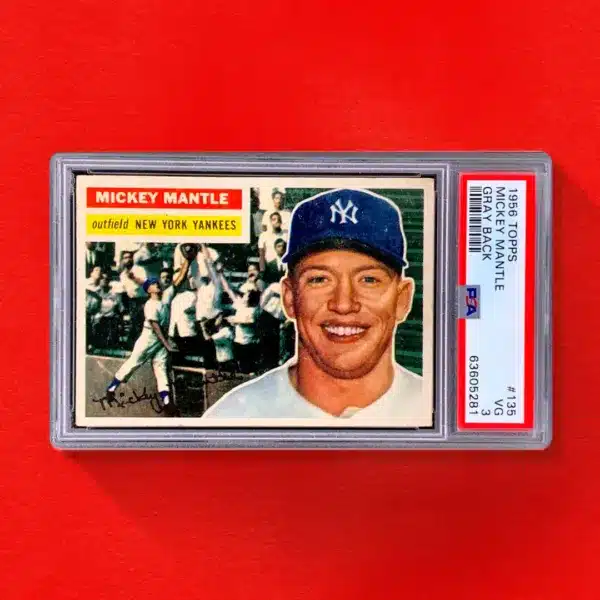
Players like Mickey Mantle, Willie Mays, Hank Aaron, and Jackie Robinson often command strong demand.
2. Rookie Cards
Rookie cards are often the most valuable cards in any collection.
3. Pre-1975 Issues
Older Topps, Bowman, and Fleer cards tend to have higher collector demand.
4. High-Grade Cards
Condition matters. Even common cards can be valuable if they are in excellent condition.
5. Rare or Short Print Cards
Some cards were printed in lower quantities and are significantly more valuable. If you are unsure, compare your cards using recent sold listings rather than asking prices.
Step 3: Research Real Market Prices (Not Price Guides)
One of the most important rules when selling vintage baseball cards is this: The real value of a card is what someone recently paid for it—not what a price guide says. To find accurate pricing:
- Search the exact card on eBay
- Filter results to “Sold Items”
- Compare condition carefully
- Review multiple recent sales
You can also use tools like 130point or auction history trackers to confirm actual market value. This step helps you avoid underpricing or overpricing your collection.
Step 4: Decide How You Want to Sell Your Collection
There are several ways to sell a baseball card collection, and each method has pros and cons depending on your goals.
Option 1: Sell on eBay
eBay is the largest marketplace for sports cards.
Pros:
- Massive global buyer base
- Competitive pricing through auctions
- Strong demand for vintage cards
Cons:
- Fees reduce profit
- Requires time for listings, photos, shipping
- Risk of returns or disputes
Best for:
- High-value vintage singles
- Graded cards
- Rare rookie cards
Option 2: Sell to a Card Shop or Dealer
Local card shops often buy collections directly.
Pros:
- Fast and simple
- Immediate cash offer
- No listing or shipping work
Cons:
- Lower payout (wholesale pricing)
- Dealers need profit margin
Best for:
- Bulk collections
- Low-to-mid value cards
- Sellers who want quick cash
Option 3: Consignment with a Professional Seller
Consignment services sell your cards for you and take a percentage.
Pros:
- Professional pricing and marketing
- Access to serious collectors
- Higher exposure than local shops
Cons:
- Fees or commission
- Slower payout timeline
Best for:
- High-end vintage collections
- Rare or graded cards
Option 4: Sell in Lots
Bulk selling is often used for lower-value cards.
Pros:
- Fast liquidation
- Minimal effort
- Good for common cards
Cons:
- Lower overall return
Best for:
- Junk wax era cards
- Common duplicates
- Large mixed collections
Step 5: Understand Grading Before You Sell
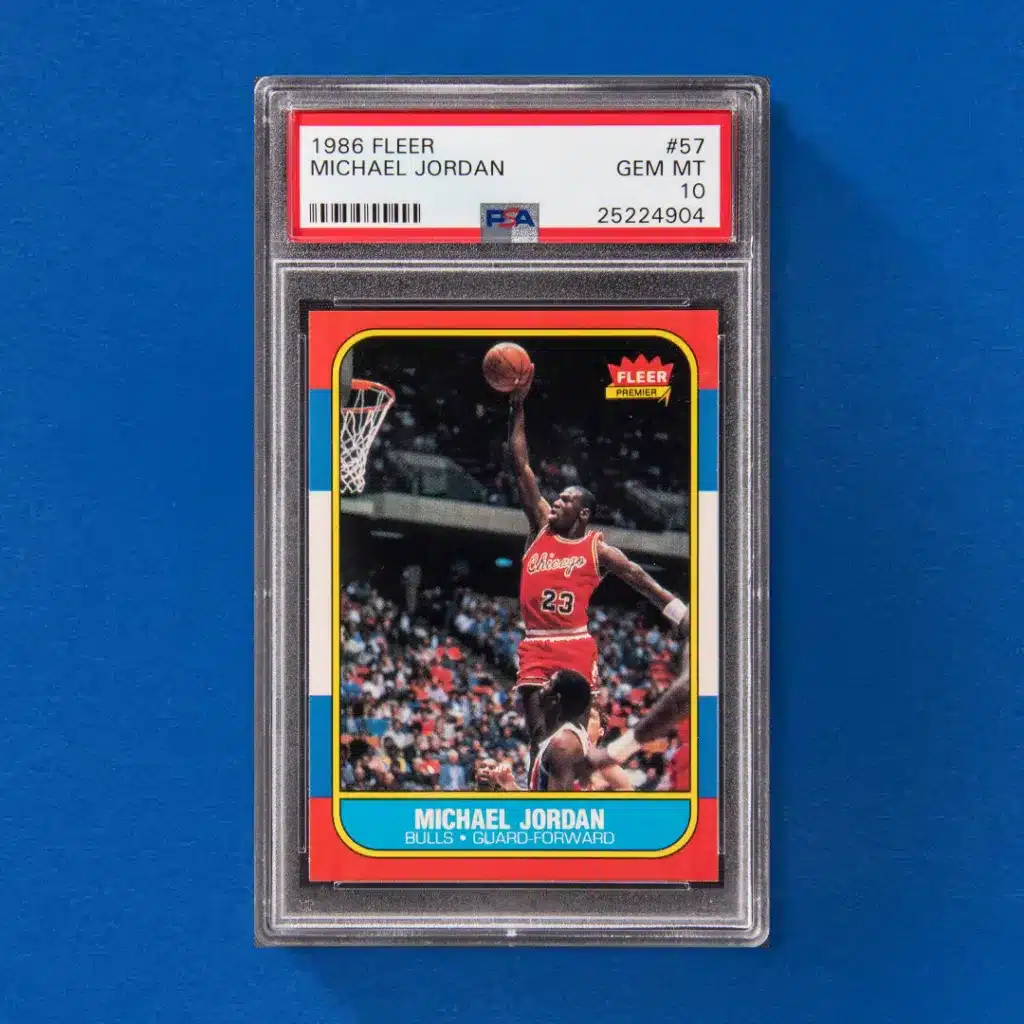
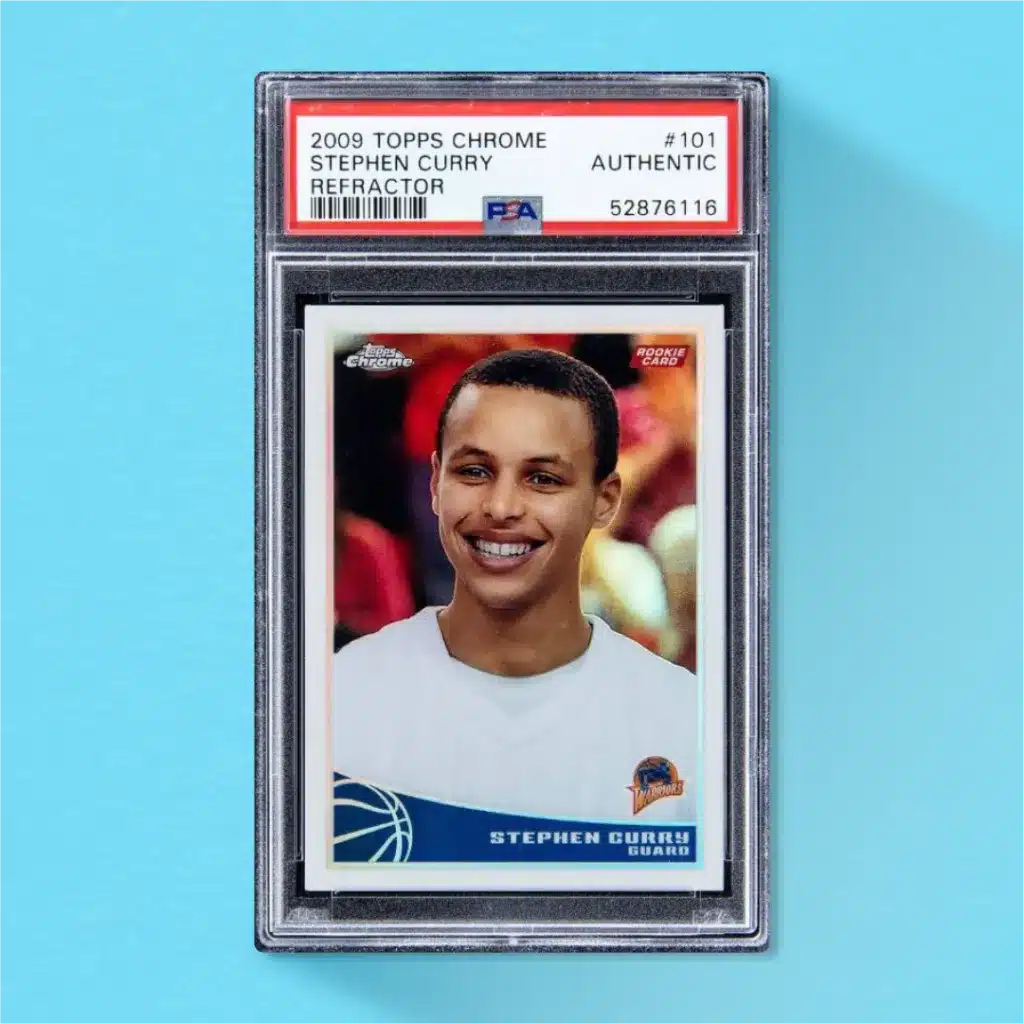
Card grading can significantly impact value, but it’s not always necessary. Professional grading companies include:
- PSA (Professional Sports Authenticator)
- SGC (Sportscard Guaranty Corporation)
- Beckett Grading Services (BGS)
A graded card may sell for several times more than a raw card—but only if the condition supports it. You should consider grading if:
- The card is a key rookie or Hall of Famer
- The card appears to be in excellent condition
- The expected value increase exceeds grading costs
Avoid grading:
- Low-value common cards
- Heavily worn cards
- Mass-produced modern issues
Step 6: Prepare Your Cards for Sale
Presentation matters, especially when selling online. If you are selling individually:
- Use soft sleeves and top loaders
- Keep cards clean and protected
- Avoid touching surfaces directly
- Store in a cool, dry environment
For online listings:
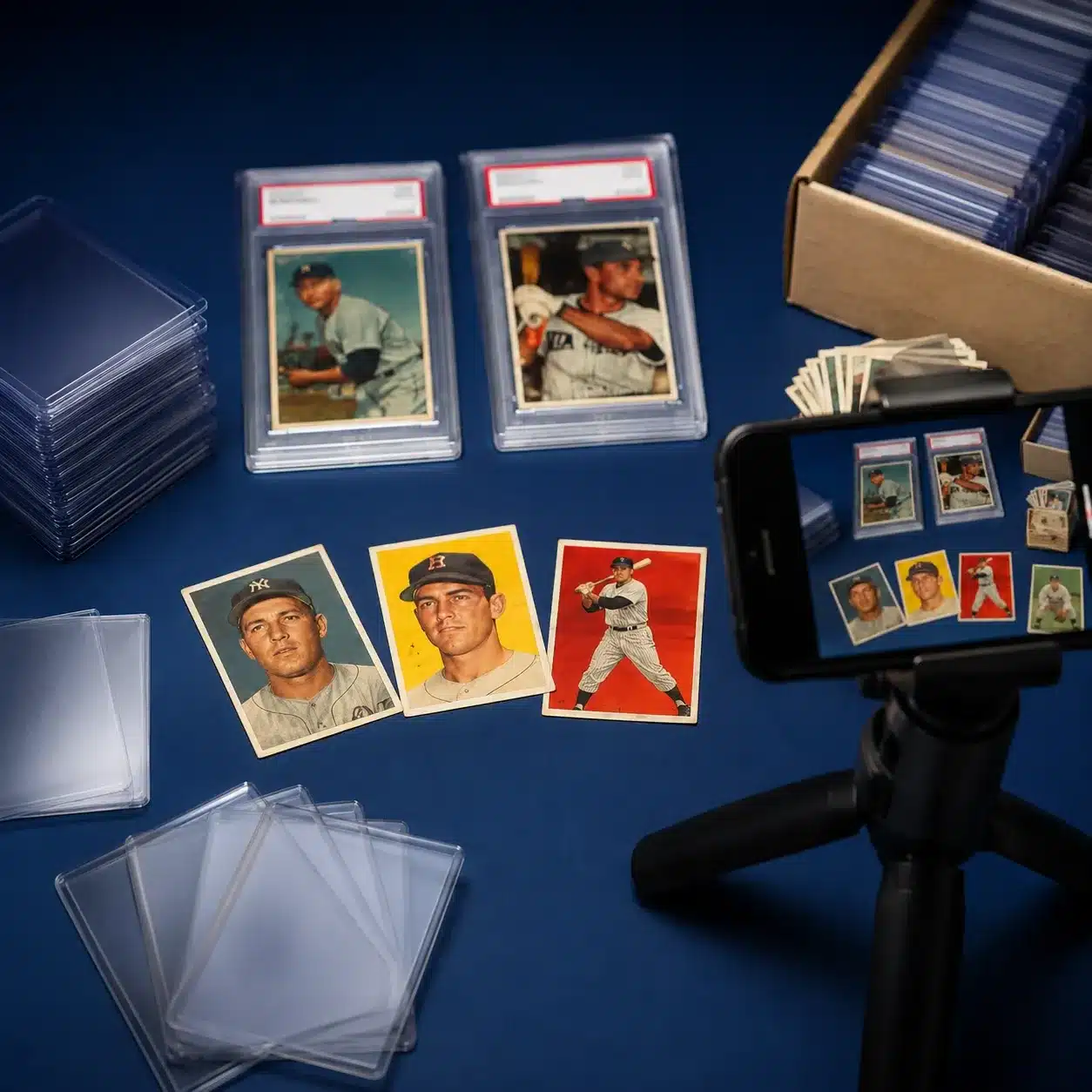
- Take clear front and back photos
- Use good lighting
- Avoid cluttered backgrounds
- Show any flaws honestly
Good presentation builds buyer trust and increases final sale prices.
Step 7: Avoid Common Selling Mistakes
Many sellers lose money when they first try to sell sports cards collections. Common mistakes include:
- Selling everything in one bulk lot
- Not researching sold prices
- Misidentifying valuable rookies
- Ignoring condition differences
- Overgrading expectations
- Using poor-quality photos
Taking time to properly evaluate your collection can significantly increase your total return.
Step 8: Choose the Right Strategy for Your Goals
There is no single “best” way to sell a baseball card collection—it depends on your priorities. Ask yourself:
- Do I want maximum value or fast cash?
- Am I willing to list items individually?
- Do I understand the hobby market?
If you want maximum value:
Sell individually on eBay or consignment.
If you want speed and simplicity:
Sell to a dealer or in bulk.
If you want balance:
Sell valuable cards individually and bulk the rest.
Final Thoughts on Selling Your Baseball Card Collection
Learning how to sell your baseball card collection is about understanding both the hobby and the marketplace. The value of your cards depends on more than age—it depends on condition, rarity, demand, and how you choose to sell them. With the right approach, even a forgotten collection can turn into a significant financial opportunity. The most important steps are:
- Identify what you have
- Research real sold prices
- Separate valuable cards from bulk
- Choose the right selling method
- Avoid rushing the process
Whether you’re selling a few cards or an entire collection, taking the time to plan your approach will always lead to better results.