
When it comes to collecting or selling sports cards, few factors matter more than condition. Understanding grading vintage baseball cards is essential whether you’re evaluating a childhood collection or preparing to sell high-value vintage pieces. The difference between a raw card and a professionally graded card can be enormous—sometimes turning a $100 card into a $1,000+ collectible depending on the grade. This guide explains everything you need to know about baseball card grading, including how condition is evaluated, what grading companies look for, and whether grading your cards is worth it.
Why Grading Vintage Baseball Cards Matters
Condition is one of the most important factors in determining value in the sports card market. Professional grading helps by:
- Establishing a standardized condition score
- Increasing buyer confidence
- Protecting the card in a sealed case (“slab”)
- Making cards easier to buy and sell
When collectors talk about baseball card values, they are almost always referring to graded examples or condition-adjusted pricing. Even a small difference in grade—such as PSA 7 vs PSA 8—can significantly affect market value.
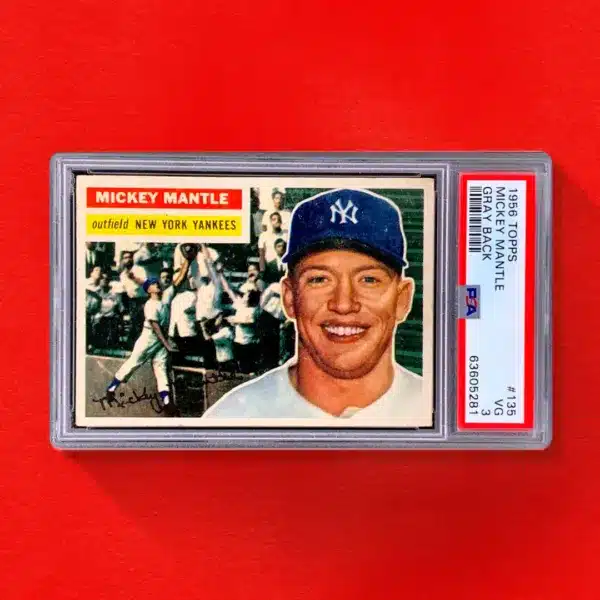
What Is Card Grading?
Card grading is the process where a third-party company evaluates a trading card and assigns it a numerical grade, typically on a scale from 1 to 10. The most widely used grading companies include:
- PSA (Professional Sports Authenticator)
- SGC (Sportscard Guaranty Corporation)
- Beckett (BGS/BVG)
Each company evaluates cards based on strict condition criteria and encapsulates them in a protective holder. Grading serves two main purposes:
- Authentication (confirming the card is real)
- Condition assessment (assigning a standardized grade)
What Do Graders Look For?
When evaluating vintage baseball cards, grading companies focus on four main areas:
1. Centering
Centering refers to how well the image is aligned within the borders of the card. A perfectly centered card has:
- Even borders on all sides
- Balanced image placement
- No visible tilt
Vintage cards often struggle with centering due to older printing methods, making high grades harder to achieve. Even slight misalignment can lower a card’s final grade.
2. Corners
Corners are one of the most important condition factors. Graders look for:
- Sharp, clean corners
- No fraying or whitening
- Minimal rounding
Because vintage cards were often handled by children, corner wear is extremely common. Sharp corners usually indicate a higher-grade card.
3. Edges
Edges are evaluated for:
- Chipping
- Whitening
- Rough cuts
- Fraying
Older cards—especially 1950s–1970s issues—often have inconsistent cutting, making edge quality a key grading challenge. Clean edges significantly increase a card’s appeal and grade potential.
4. Surface Quality
Surface condition includes:
- Scratches
- Creases or wrinkles
- Stains
- Print defects
- Wax or gum marks
Even minor surface flaws can dramatically reduce a card’s grade, especially on high-value vintage cards.
Understanding the Baseball Card Grading Scale
Most grading companies use a 1–10 scale, where 10 represents a perfect card. Here is a simplified breakdown of the vintage card grading scale:
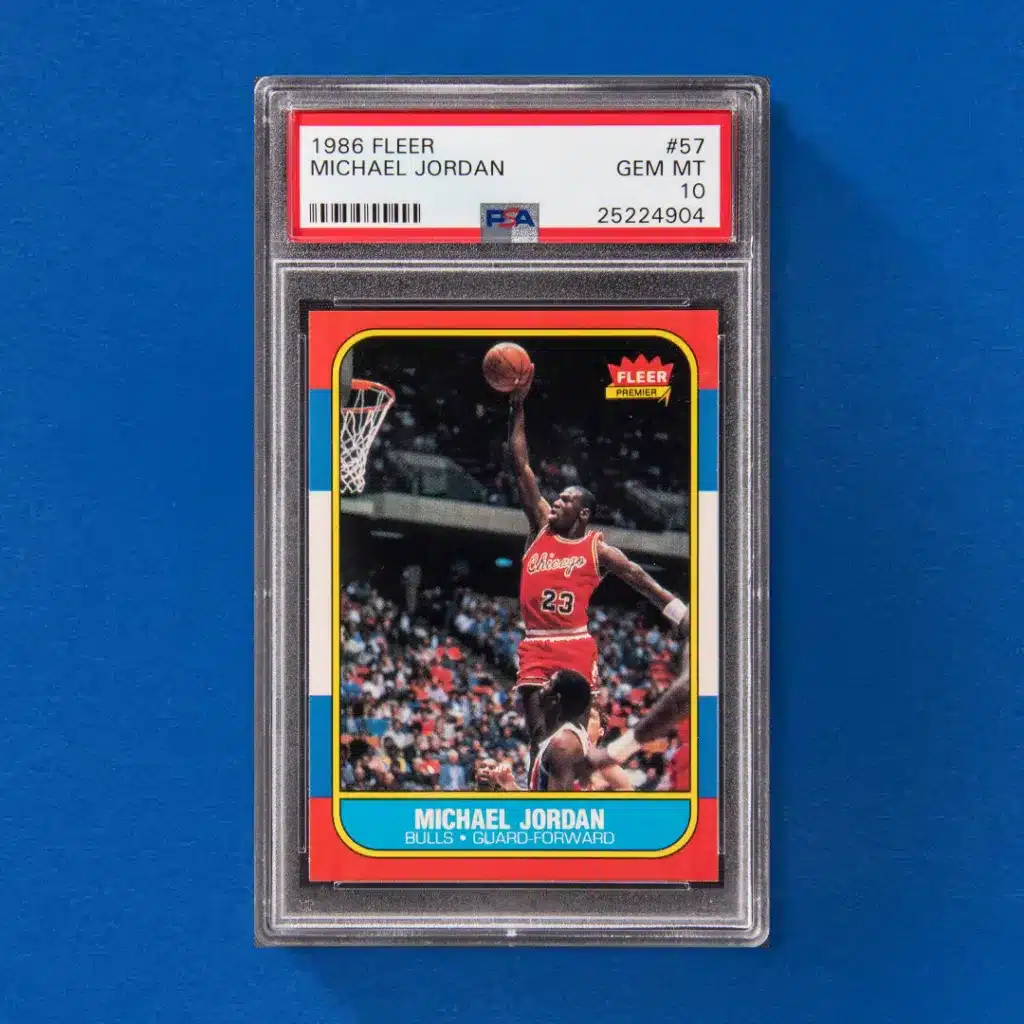
Gem Mint (PSA 10)
- Perfect centering
- Sharp corners
- No visible flaws
- Extremely rare for vintage cards
Mint (PSA 9)
- Near-perfect condition
- Very minor imperfections
- Strong eye appeal
Near Mint-Mint (PSA 8)
- Light wear only visible on close inspection
- Strong overall condition
Near Mint (PSA 7)
- Minor corner wear or slight centering issues
- Very presentable card
Excellent (PSA 5–6)
- Visible wear
- Some rounding or surface imperfections
Very Good or Lower (PSA 4 and below)
- Noticeable creasing, wear, or damage
- Value depends heavily on rarity
Vintage cards are often found in PSA 4–7 range, even when well-preserved.
Popular Grading Companies: PSA, SGC, and Beckett
Understanding the differences between grading companies helps collectors make better decisions.
PSA (Professional Sports Authenticator)
PSA is the most recognized grading company in the hobby. Strengths:
- Highest resale value in most cases
- Strong market trust
- Widely used for vintage and modern cards
PSA-graded cards often command premium prices compared to other companies.
SGC (Sportscard Guaranty Corporation)
SGC is especially popular for vintage cards. Strengths:
- Fast turnaround times
- Strong consistency in grading
- Attractive black holders that showcase vintage cards well
Many collectors prefer SGC for older cards due to its reputation for stability and eye appeal.
Beckett (BGS / BVG)
Beckett is known for its subgrade system. Strengths:
- Detailed grading breakdown (centering, corners, edges, surface)
- Popular for modern and high-end cards
- BVG division focuses on vintage cards
Beckett slabs can provide deeper insight into condition but may vary slightly in market preference compared to PSA.
Should You Grade Your Baseball Cards?
One of the most common questions collectors ask is: “Should I grade my baseball cards?” The answer depends on the card and your goals.
Grade your cards if:
- The card is a rookie of a Hall of Famer
- The card appears in excellent condition
- The card is rare or high-value
- You plan to sell the card
Avoid grading if:
- The card is heavily damaged
- It is a common low-value card
- Grading cost exceeds potential value increase
Grading fees can range from $15 to several hundred dollars per card depending on value and service level.
How Grading Impacts Baseball Card Values
Grading can significantly increase or stabilize baseball card values. For example:
- A raw vintage rookie card might sell for $200
- The same card graded PSA 8 could sell for $800+
- A PSA 9 version could sell for several thousand dollars
Grading creates consistency in pricing, making cards easier to trade and sell. However, not all cards benefit equally. Condition and demand must justify grading costs.
Common Mistakes When Grading Vintage Cards
Many collectors lose value due to avoidable mistakes:
- Submitting low-value cards for grading
- Ignoring subtle surface defects
- Overestimating condition
- Not checking for trimming or alterations
- Grading cards without researching market demand
Careful evaluation before submission is essential.
Authenticity vs. Alteration Concerns
Grading companies also evaluate authenticity. They look for:
- Trimming (cut edges to improve appearance)
- Recoloring or touch-ups
- Fake or reprinted cards
- Altered surfaces
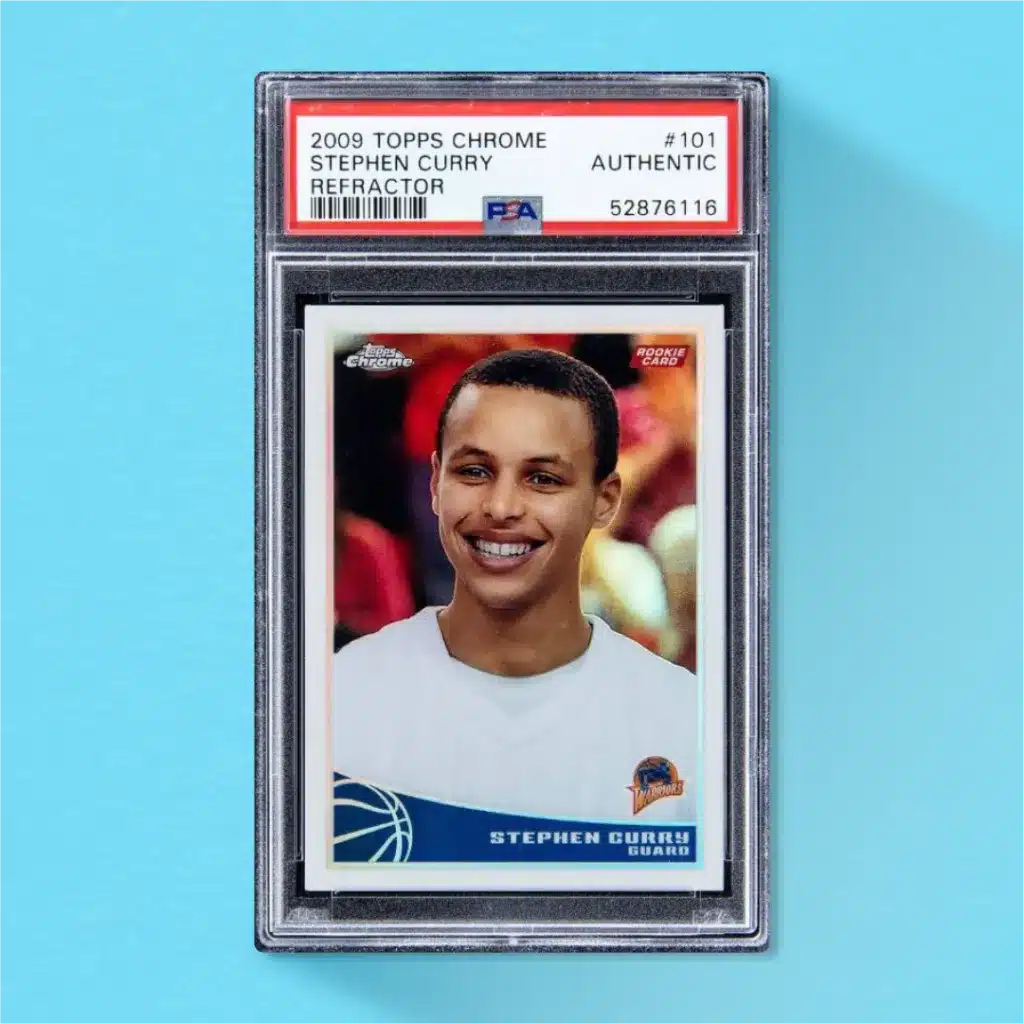
Cards identified as altered may receive an “Authentic” label or be rejected entirely. Authenticity is just as important as condition in determining value.
Final Thoughts on Grading Vintage Baseball Cards
Understanding grading vintage baseball cards is one of the most important skills for collectors and sellers alike. Grading provides:
- A clear condition standard
- Increased buyer confidence
- Potential value increases
- Long-term protection for valuable cards
However, not every card should be graded. The decision depends on condition, rarity, and market demand. The most important takeaway is this: condition drives value. A small difference in centering, corners, or surface quality can have a major impact on price. Whether you’re evaluating a childhood collection or preparing for resale, learning how baseball card grading works will help you make smarter decisions and maximize the value of your collection.