
Just Found My Old Baseball Cards: Are They Worth Anything?
By Boston Card Exchange | bostoncardexchange.com
It happens every day. Someone cleans out a closet, opens a dusty box in the attic, or inherits a stack of memories from a relative, and there they are: hundreds of old baseball cards. The first question is almost always the same. Are they worth anything?
The honest answer is that it depends, and that is actually good news, because it means your find is worth a closer look. Some old baseball cards are worth just a few cents, while a small number can be worth hundreds or even thousands of dollars. This guide walks you through exactly how to sort through your discovery, spot the cards that matter, and decide what to do next.
First Things First: Handle Your Cards Carefully
Before you start sorting, take a breath. The biggest mistake people make in the first five minutes is damaging cards that could have been valuable.
Keep these basics in mind:
- Wash your hands and work on a clean, flat surface so oils and dirt do not transfer to the cards.
- Hold cards by the edges to protect the corners and surface.
- Do not clean, wipe, or flatten them. Cleaning can leave scratches and permanently hurt value.
- Remove rubber bands, tape, and glue only if you can do so gently. If a card is stuck to something, stop and ask an expert.
- Do not throw anything out until you have looked through it, including common cards, empty wax pack wrappers, and loose paperwork.
If you want to store your cards while you sort, soft plastic sleeves (often called penny sleeves) and rigid holders called top loaders are inexpensive and widely available.
Step 1: Figure Out What Era Your Cards Are From
The year printed on your cards is one of the fastest ways to get a sense of their potential. Here is a general breakdown.
Before 1980 (vintage). Cards from the 1950s, 1960s, and 1970s are often the most promising for a first-time finder. They were printed in smaller quantities than later cards, and many were not well preserved, so good examples are harder to come by. Even common players from the 1950s and 1960s can carry value in decent condition, and star cards can be significant.
1980 to roughly 1993 (the “junk wax” era). During this time, card companies printed enormous numbers of cards to meet hobby demand. Because so many exist, the typical card from this era is not worth much. There are exceptions, including rookie cards of top players, rare errors, and cards in gem-mint condition, but most of the stack will be common.
Mid-1990s to early 2000s. This period saw more premium inserts, limited-run subsets, and early autograph and memorabilia cards. Some of these were produced in far smaller numbers than the junk wax era, so they can be worth checking carefully.
2010s to today (modern). Modern cards can be very valuable, especially rookie cards of current stars, serial-numbered parallels, and autographs. Condition and grading matter a great deal here.
Knowing the era helps you set expectations and decide where to focus your time first.
Step 2: Look for the Cards That Matter
With your cards sorted by era, start scanning for the traits collectors pay attention to. Pull out anything that fits these categories:
- Star players and Hall of Famers. Names like Mickey Mantle, Hank Aaron, Willie Mays, Nolan Ryan, Ken Griffey Jr., and Derek Jeter draw consistent interest. Recognizable names are always worth setting aside.
- Rookie cards. A player’s first major-set card is typically the most sought after. Look for the “RC” logo on modern cards, and research older cards to confirm whether they are true rookies.
- Autographs. Cards signed directly by the player, especially ones with authentication or a manufacturer’s certificate, are worth a careful look.
- Serial numbers. Cards stamped with a number out of a limited print run, such as 50/99, are scarcer than standard versions.
- Memorabilia cards. Cards containing a piece of a game-used jersey or bat can be desirable, depending on the player and the design.
- Error cards and variations. Misprints and unusual variations can occasionally be worth much more than the regular version.
- Complete sets. A full, well-kept set from a notable year can have value as a set, so do not split one up before you check.
A useful tip: do not judge a card by how shiny or colorful it looks. Collectors value rarity, player, and condition far more than flashy design.
Step 3: Check the Condition
Condition is where value is won or lost. Two cards of the same player and year can sell for dramatically different prices depending on how well each has aged.
Examine your best candidates under bright light and look at four things:
- Corners. Are they sharp and pointed, or rounded and frayed?
- Edges. Look for chipping, whitening, or rough cuts.
- Surface. Check for scratches, creases, stains, print dots, or fading.
- Centering. Are the borders roughly even on all sides, or is the image shifted to one side?
Cards stored in attics, basements, or garages often show signs of moisture, warping, or fading, so expect some wear. That is normal. The goal is simply to separate the cards that look crisp and clean from those that are heavily worn. The better the condition, the more valuable a card with real demand will be.
Step 4: Research What Your Cards Have Actually Sold For
Once you have a short list, it is time to check prices. The key word is sold. Plenty of sellers list cards at hopeful asking prices that never materialize, so focus on what buyers have actually paid.
Good places to look include:
- Sold listings on major online marketplaces, filtered to completed sales.
- Auction house results, which show prices for higher-end cards.
- Hobby price guides and population reports for added context on market trends and scarcity.
Be sure you are comparing like with like. Match the player, year, set, card number, and condition as closely as possible. A graded card in top condition is a very different item from a raw, worn copy of the same card. If you are unsure whether your card matches a listing, that is a perfect moment to ask a knowledgeable dealer for help.
Step 5: Decide Whether to Keep, Grade, or Sell
Now you know what you have. Here is how to think about your next move.
Keep it. If your cards carry sentimental value, such as a collection from a parent or a childhood hobby, there is no rule that says you must sell. Store them properly and enjoy them.
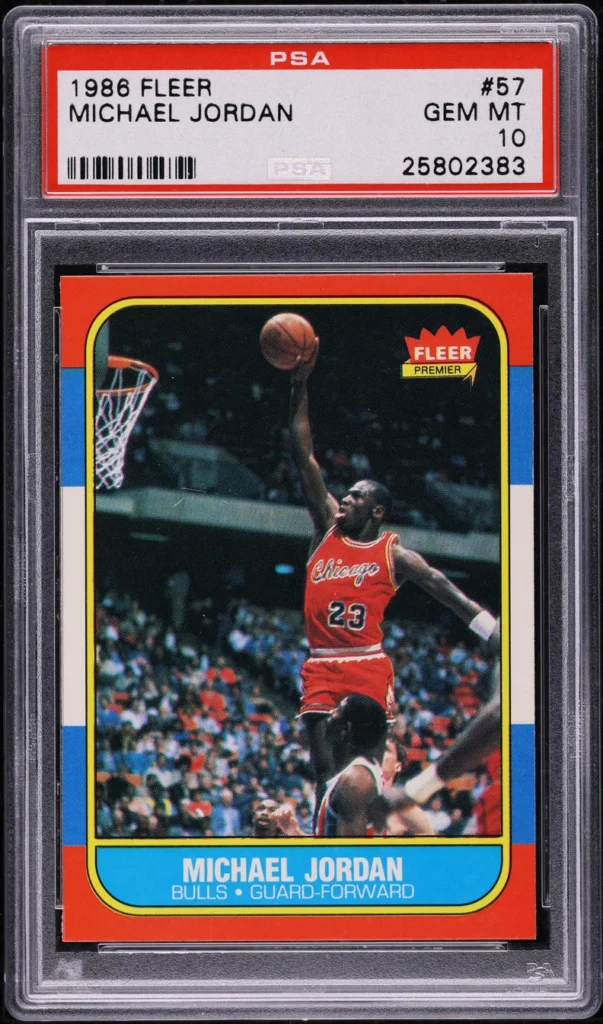
Get it graded. Professional grading services authenticate a card, assign it a condition grade, and seal it in a protective case. Grading can make sense for valuable cards in very good condition, because a strong grade can raise both trust and price. It costs money, though, so it is not worth it for common cards or those with obvious damage.
Sell it. If you are ready to turn your cards into cash, you have options: a local card shop, an online marketplace, an auction, or a card show. Each has trade-offs in speed, fees, and effort. Selling the best cards individually and bundling the rest often works well.
Whichever path you choose, getting a second opinion before you sell anything that looks promising can save you from underpricing a hidden gem.
What If Your Cards Are Not Worth Much?
It is entirely possible that your box is mostly common cards, and that is okay. Many collectors started with exactly that, and a stack of ordinary cards still has plenty of value as a hobby starting point.
You can:
- Pass them to a young collector and help them fall in love with the hobby.
- Build a set by hunting down the missing cards in a particular year.
- Keep a handful of favorites from players you remember watching.
- Sell them in a lot to someone who wants to buy in bulk.
Mistakes to Avoid With Newly Found Cards
- Assuming age equals value. A card being decades old does not make it rare.
- Over-handling. Every touch risks wear, so sort efficiently and store properly.
- Skipping the small details. A tiny logo, a serial number, or a signature can change a card’s value completely.
Bring Your Find to Boston Card Exchange
Not sure what you are looking at? You do not have to figure it out alone. At Boston Card Exchange, we help collectors and first-time finders understand what they have, learn what it might be worth, and decide on the best next step, whether that means keeping, selling, or building from there.
Visit bostoncardexchange.com to get in touch and see our latest inventory.
Frequently Asked Questions
Are old baseball cards from the 1980s and 1990s worth anything? Most are common because so many were printed, but rookie cards of star players, rare errors, and cards in pristine condition can still be worth checking.
How can I tell if my baseball card is valuable? Look at the player, year, whether it is a rookie card, any autograph or serial number, and the condition. Then compare recent sold prices for the same card.
Should I clean my old baseball cards? No. Cleaning can scratch the surface or damage the card and lower its value. Gentle handling and proper storage are the best approach.
Is it worth grading old baseball cards? It can be for valuable cards in strong condition. For common or heavily worn cards, grading fees usually outweigh any increase in value.
Where is the best place to sell old baseball cards? That depends on the cards. Local card shops offer convenience, while online marketplaces and auctions can reach more buyers. A trusted dealer can help you decide.